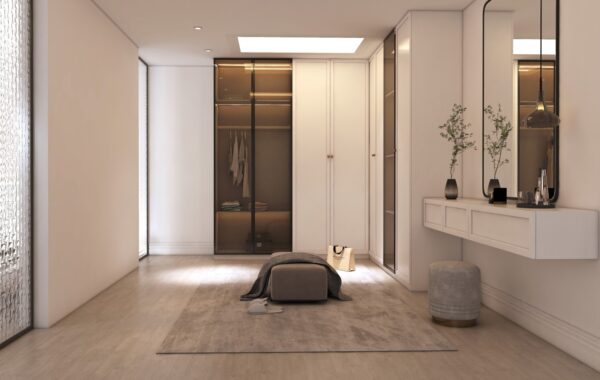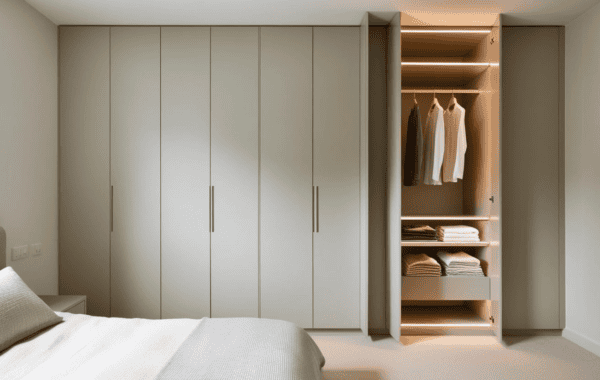

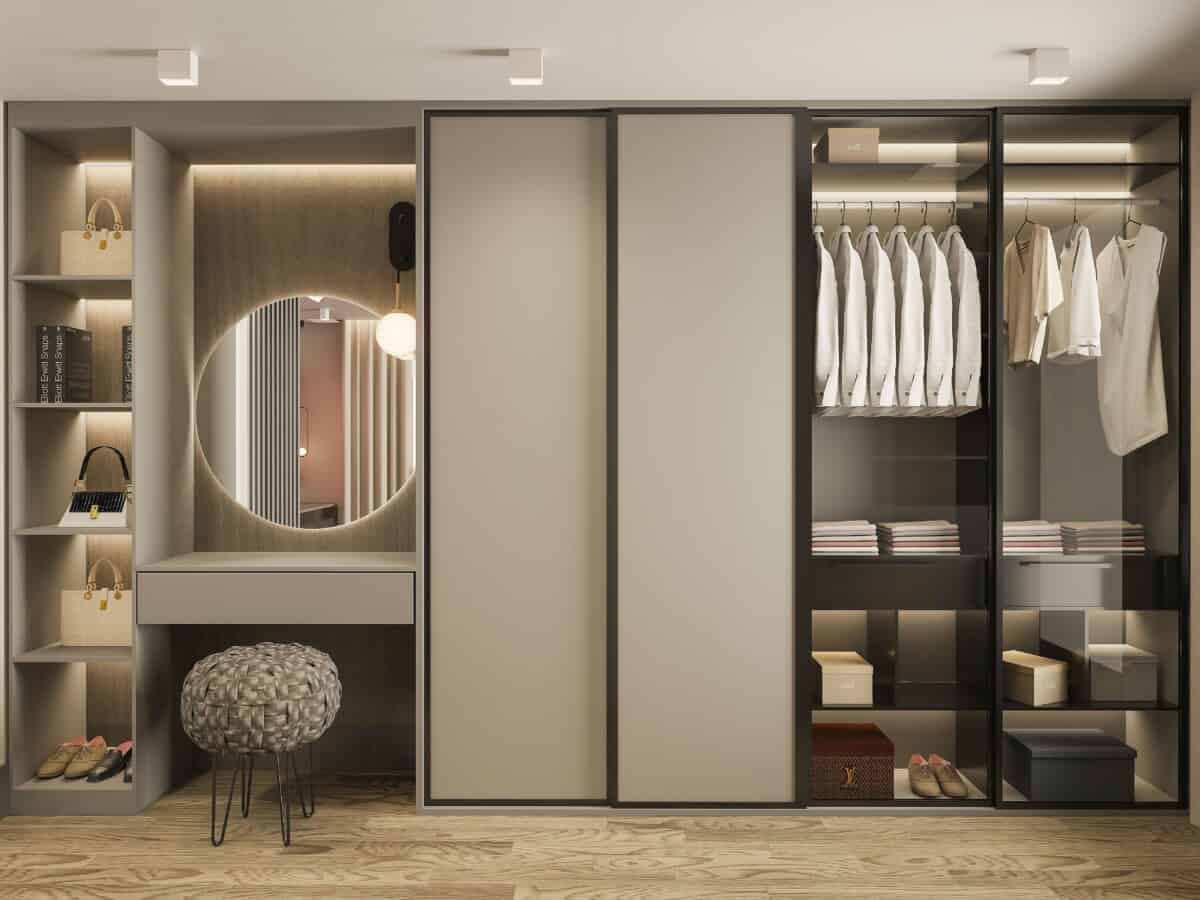

Any bedroom or dressing room must have a functional wardrobe design NZ. There are various ways to make your room both practical and fashionable, whether you’re designing a new wardrobe or remodelling an old one. We’ll explore some wardrobe design ideas and discuss how to design a wardrobe and how to design a walk in wardrobe.
Think on the shape and arrangement of your room. A built in wardrobe can be the ideal choice if your bedroom or dressing area is compact. These can be created to fit the area perfectly, maximising storage while reducing the wardrobe’s overall footprint. A walk in wardrobe might be more appropriate if your room is larger. This provides more versatility in terms of design and storage possibilities.
Standard Wardrobe Cost Calculator
The average cost of wardrobe cabinetry in Auckland can vary greatly depending on several factors, including the size and layout of your bedroom, the materials you choose, and the complexity of the design. Try out standard wardrobe cost calculator, This cost calculator was developed to provide you a quick and easy way to get a rough idea of how much it would cost.
Wardrobe Organisational Ideas
1. Dedicate a Wall to Built Ins
How to organise your wardrobe? Having enough storage is a crucial factor to consider as we can never have too many clothes, but limited storage space disrupts more clothes. In your wardrobe design NZ, sacrifice one wall in a small walk in closet for accessories and apparel. Leaving the other wall free for a walkway. This will keep the room from feeling overly confined.
2. Put Hats and Shoes on the Door
Install hooks for hats or hang rails on the inside of your door to maximise the amount of space in your closet for heels, depending on which of your collection requires a larger location.
3. Map Outfits on a Rack
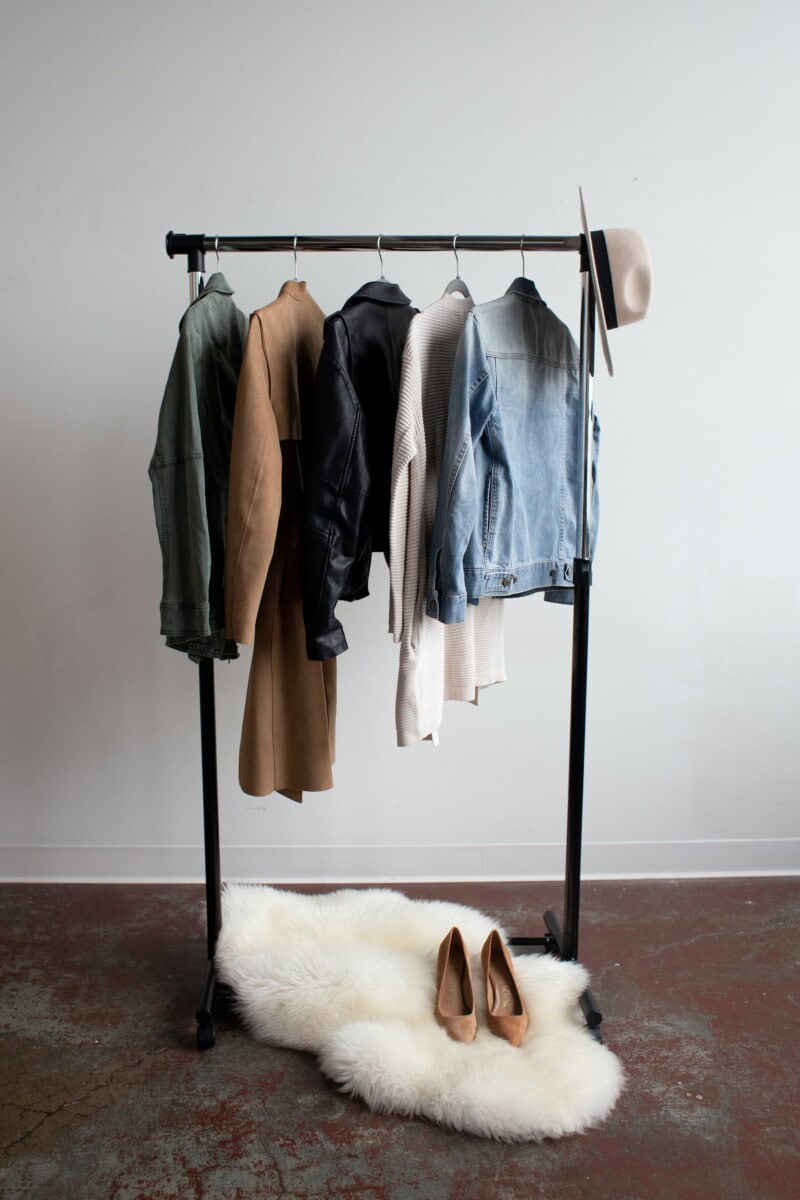
How to organise your wardrobe? I'm sure at least once a year we deep clean and reorganise our wardrobe. Think about having a clothing rack to keep your wardrobe design NZ more organised. Keep everything behind cabinet doors, except for the clothes you intend to wear for the week. Planning your outfit beforehand will streamline your daily routine while letting you experiment more with novel combinations when you map it out on a freestanding rack.
4. Install a Wall Shelf
How to design a wardrobe that is functional and stylish? If your wardrobe is at full capacity, opt for putting your prettiest possessions on display by using wall shelves. To create an etagere, add a wall shelf with several levels.
5. Keep it Behind Closed Doors
To ensure your wardrobe design NZ stays functional and reduce clutter in your room. Make sure to keep it all hidden behind closed doors. It can appear much more orderly to keep your wardrobe with closed doors instead of leaving it exposed. Extra points for doors that blend in with the walls as that provides the room with a sleek look.

6. Get Creative with Bulky Clothes
Shoe organisers are useful for keeping your sneakers organised in your wardrobe design NZ. Alternatively, you can also use them for bulkier goods like sweaters that you don't want to unintentionally spread out on a rack.
7. Orgainse by Season
Free up space in your closet by removing out of season apparel and place them in baskets under your bed or in a different closet in your house. This provides you more room to arrange the things you'll be wearing frequently because you won't be reaching for them anyway. How to organise your wardrobe? Switching out seasonal clothes enables you to go through your clothes and if needed, let you donate or get rid of clothes you no longer wear.
8. Add a Dresser and a Mirror
If you're lucky enough to have a walk in wardrobe, move your dresser inside and place a larger mirror on top. How to design a walk in wardrobe? Moving a few things to your walk in wardrobe will free up space in your bedroom and make the walk in wardrobe more functional as everything will be within easy reach.
9. Use Wasted Wall Space
To elevate your wardrobe design NZ, try hanging scarves, belts, and other accessories on hangers and consuming important rod space. How to orgnaise your wardrobe? Attach a towel bar on an empty wall space to make a custom showcase for your collection.
10. Allocate Hanging Space for Long and Short Items
To achieve functionality and organisational levels in your wardrobe design NZ. Plan for a variety of variously sized hanging locations rather than folding clothes over on themselves or letting them pool on the floor. This will keep things organised and provide you specific areas for each of your clothing types.
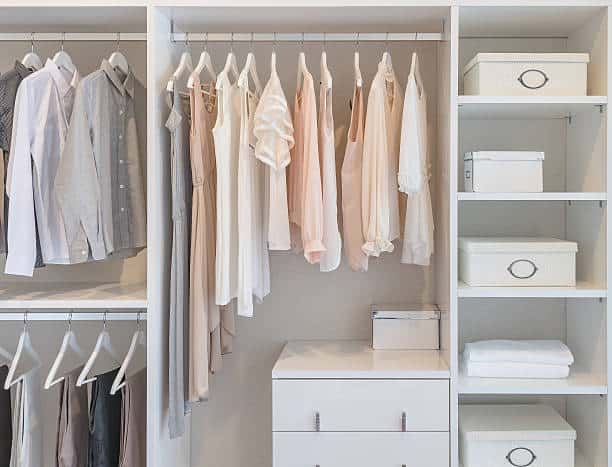
11. Add a Clothing Rack to the Corner of Your Room
A garment rack in the corner of your bedroom can save space in your closet and enhance the design of your home. It enables you to hang additional items that might take up unnecessary space in your existing closet while displaying your sense of style and go to clothing.
12. Learn Better Folding Techniques
To keep your wardrobe organised and ensure the space is optimised to its full potential. You might opt for a diferent folding technique to maximise spacing in drawers or on shelves.
13. Hang a Closet Organiser with Shelves
How to organise your wardrobe? If your closet has fewer built in shelves or drawers, investing in a shelf hanging organiser is the ideal choice. You may maximise the vertical space in your closet for sweaters or bags by putting these on a rack.
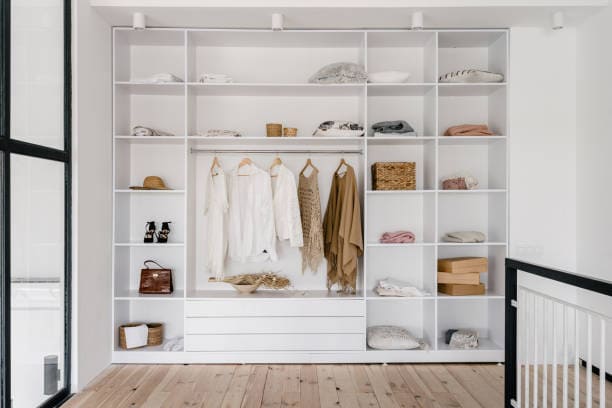
14. Make Room for a Hamper
Consider making room for a hamper to keep things organised in your wardrobe design NZ. This makes it more likely that dirty clothes will end up in the washing basket as opposed to a pile on the floor.
15. Use Over the Door Organisers for Hard to Fold Items
Have several items that are difficult to fold, such as belts, blankets, scarves, or even swaddles? use an over the door organiser commonly used for shoes to organise these challenging clothing and accessories.
16. Store Bags Upright Using Dividers
How to design a wardrobe? You won't utilise anything in your closet, no matter how much you love it. If you can't see it, you won't use it. To keep things visible and accessible, hang bags from hooks that are provided on the inside of your door to keep them off the floor and available.
Consider the types of clothing and accessories you need to store when planning the interior of a wardrobe. For instance, do you require additional room for shoes or bags? Do you need to include a dressing table or a chest of drawers. When planning the layout of your closet, keep all of these things in mind.
Wardrobe Design Tips
1. Calculate the Numbers
How to design a wardrobe? Make a list of everything you have in your closet. The amount of space you'll need for hanging, storage, and accessories will be determined by these calculations. You'll also be able to create and organise your wardrobe design NZ more efficiently once you've added up all of your clothing and belongings.
2. Prioritise Space for Dresses or Longer Hanging Clothes
Create a long hang portion first, and then add shelves and drawers. Maximising vertical space by double handing the leftover space. This will ensure that there's enough height to make sure your clothes don't touch the ground.
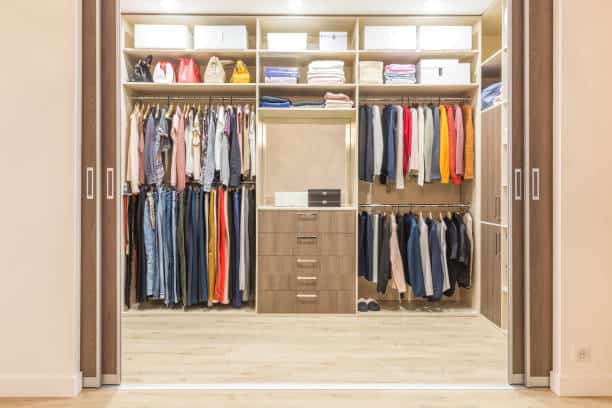
3. Fold Knits and Sweaters to Avoid Damage to the Clothing
In your wardrobe design NZ, ensure there is enough space to keep folded clothes. How to organise a wardrobe? Stacking or folding sweaters, knits, and t shirts in drawers or on shelves will help keep the garment's shape. To keep things neat if you're folding them in drawers, use a folding system that makes it simple to recognise which garment you're removing.
4. Design with Extra Shoe Storage in Mind
How to design a wardrobe? Plan and create enough space for shoe storage, especially if you enjoy shoe shopping and find it difficult to part with your old shoes. A level shelf can accommodate more shoes, and for greatest space efficiency, they should be stored heel to toe to make the most out of your wardrobe design NZ.
Think about the overall aesthetic of your space and what you want it to be. How to design a walk in wardrobe? You can choose from modern, traditional, and custom made designs. Consider your personal style and the style of your bedroom when selecting a wardrobe design.
7 Walk in Wardrobe Design Tips
1. Add a Fancy Light Source
How to design a walk in wardrobe? A walk in wardrobe with bright lights, such as chandeliers or pendant lights, might be appealing. You should personalise your walk in wardrobe to your taste because it's your space. When it comes to lighting, there is a huge variety of colours available for your wardrobe design NZ.
While white light creates a more lively and brilliant setting, warm light creates a cosy atmosphere in tiny spaces. A white light would be more suitable if you want to utilise the walk in wardrobe as your primary dressing area.
Strategic placements of light is not only a good addition for normal wardrobes but also play a vital role in a walk in wardobe. Natural lighting enhances the ambiance of your walk-in wardrobe in NZ. Incorporate windows or skylights for a bright atmosphere. Place mirrors strategically to amplify the perception of space. Consider full-length mirrors on wardrobe doors or mirrored panels for both glamour and practicality.
2. Install Lights for Shelves and Cabinets
How to design a walk in wardrobe and ensure the room isn't too dark? Walk in wardrobes are a place for storage. The best wardrobe design NZ in these circumstances is to have good illumination that enables you to simply sort your clothing to get the ideal fit which makes it practical.
In addition to making your clothes more visible, adding illumination to your shelves are cupboards improves the room's appearance. You can use this as an opportunity to showcase your favourite outfits and accessories.
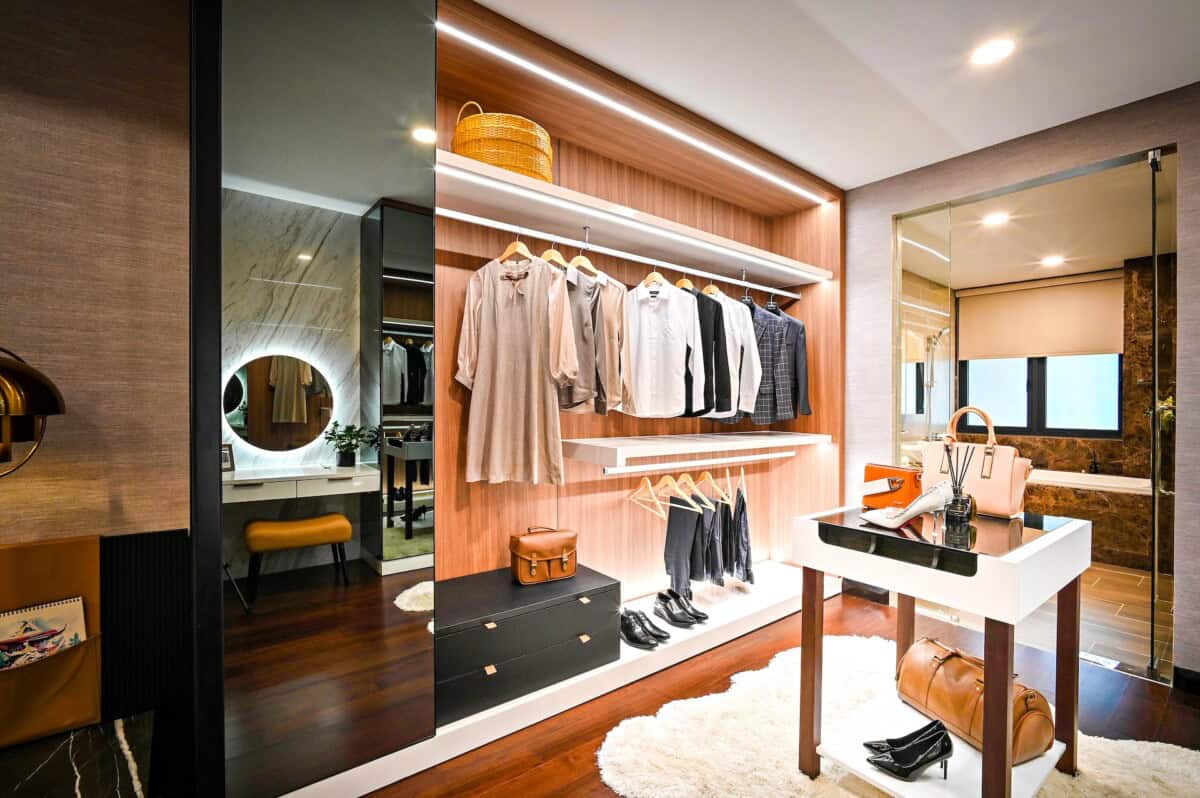
3. Optimal Layout for Walk in Wardrobes
When planning your walk-in wardrobe in NZ, consider the available space and how you use your clothing and accessories. Divide the space strategically for hanging, shelving, and drawers. Utilise corners efficiently for maximum storage. A well-thought-out layout tailored to your needs will make your walk-in wardrobe functional and organised.
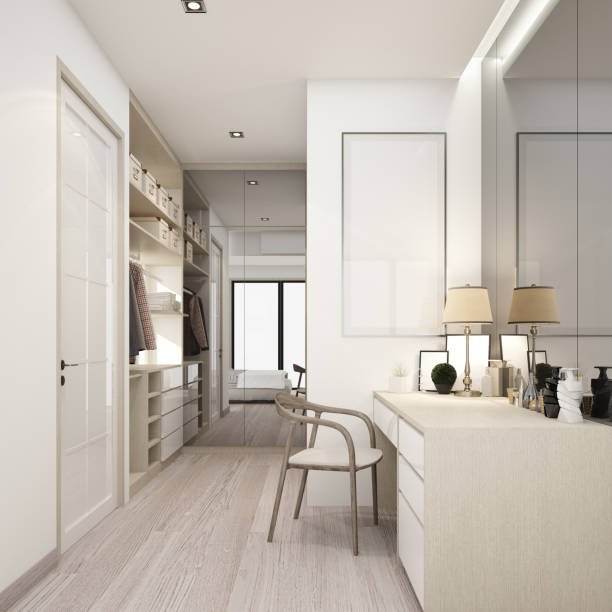
4. Add a Vanity Corner
A cosy vanity space gives a walk in wardrobe a more elegant appearance. How to design a walk in wardrobe? You'd want to utilise every inch of the rom and creating a vanity corner is a great way to utilise that space. You can mix and match your accessories and clothing to get the ideal fit which makes it practical.
5. Strategic Use of Mirrors
In the design canvas of walk-in wardrobes in New Zealand, mirrors emerge as versatile and indispensable elements, adding layers of functionality and aesthetic allure to the space.
Space Perception: Mirrors become architectural allies, strategically placed to transcend the physical confines of the walk-in wardrobe. In the New Zealand context, where living spaces can vary, the deliberate positioning of full-length mirrors on wardrobe doors or integrated mirrored panels becomes an artful illusionist’s trick. The reflective surfaces not only amplify the perceived dimensions of the room but also infuse an air of openness, especially beneficial in cozier or compact spaces.
Natural Light Enhancement: Mirrors gracefully dance with natural light, capturing its essence and scattering it across the walk-in wardrobe canvas. Consider aligning mirrors with windows or skylights to harness and amplify the sunlight. This marriage of mirrors and natural light not only bathes the space in a warm glow but also serves a practical purpose. The enhanced illumination ensures accurate color evaluation, turning the walk-in wardrobe into a haven where dressing and accessorizing are illuminated by the gentle touch of daylight.
Functional Reflections: Beyond their reflective prowess, mirrors serve as functional companions in the daily routine of dressing and grooming. Full-length mirrors, strategically positioned, provide a comprehensive view, allowing meticulous outfit assessments. This becomes particularly valuable in the nuanced art of selecting attires for different occasions or ensuring that accessories harmonize seamlessly. Mirrors discreetly stationed on wardrobe doors offer quick checkpoints for appearance adjustments before stepping out into the world.
Design Element: Mirrors transcend functionality to become integral design elements, contributing to the overall aesthetic symphony of the walk-in wardrobe. Framed mirrors, adorned in materials that resonate with the chosen color scheme and quality finishes, add a touch of sophistication. The framing design can be harmonized with the overarching design theme, transforming mirrors from mere reflective surfaces to curated pieces of art within the wardrobe space.
Customization and Placement: In the choreography of mirrors within the walk-in wardrobe, customization takes center stage. Tailor their placement to cater to specific needs. A dedicated vanity area may call for a thoughtfully positioned mirror, while adjustable mirrors offer flexibility, accommodating varied angles and preferences. Customization ensures that mirrors not only fulfill their practical duties but also seamlessly integrate into the personalized narrative of the walk-in wardrobe.
In the narrative of walk-in wardrobes in NZ, mirrors emerge as silent storytellers, shaping perceptions of space, embracing natural light, offering functional reflections, contributing to the design tapestry, and adapting to individual preferences. The walk-in wardrobe, adorned with mirrors, becomes not just a space for storage but a curated haven where functionality and aesthetics intertwine in the unique ambiance of New Zealand living.
6. Use Hangers for Open Wardrobes
How to organise a wardrobe? Using hangers for open wardrobe designs is perfect in your walk in wardrobe as it allows quick access and visibility to your clothing items. To maximise room for your clothes while maintaining functionality, use open shelves with hangers.
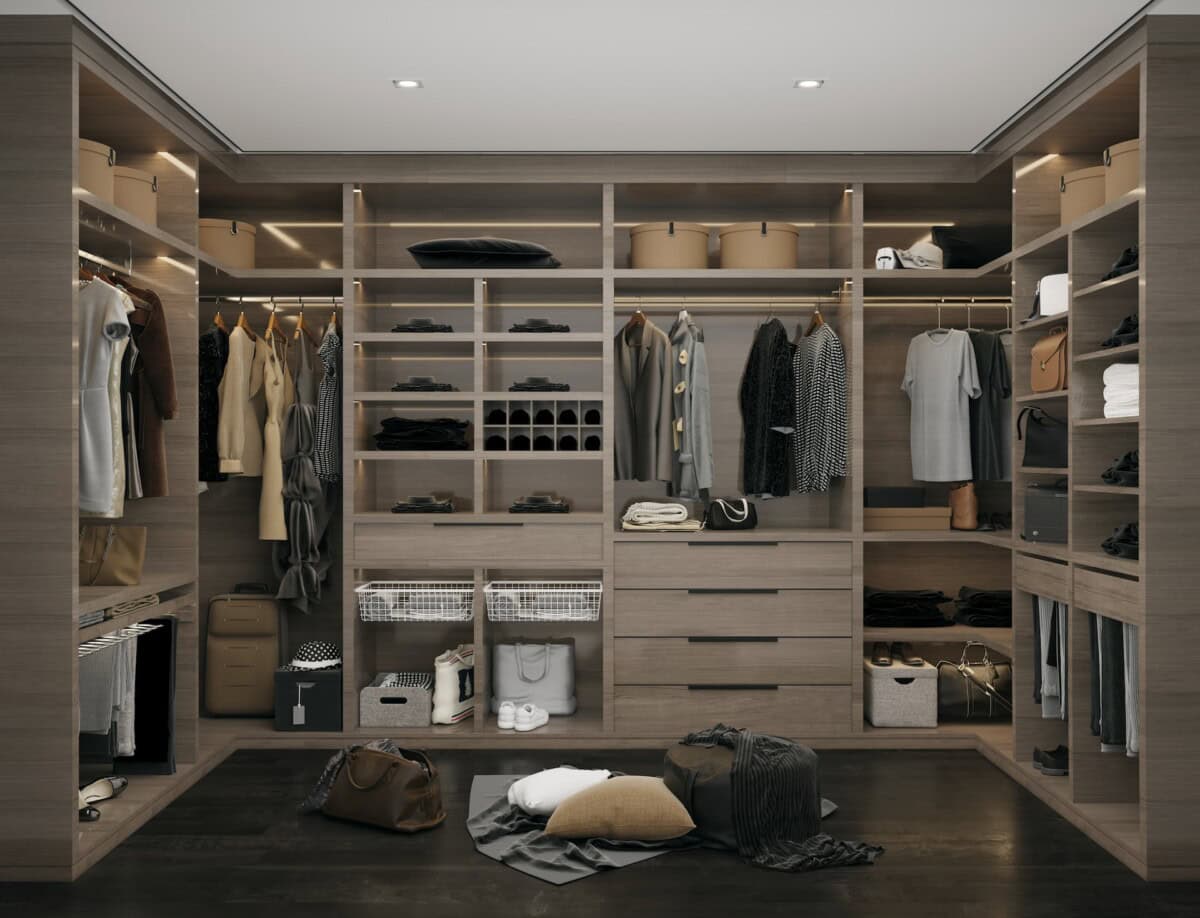
7. Make Use of Vertical Space
No matter how little the area, vertical storage is available. If you use these suggestions to build a walk-in closet, you won't need any extra space. Sliding doors, shelves with doors, and hooks give you more room to move about. By concealing bulky or seasonally appropriate items in the loft storage, you can keep your clothing tidy and organised.
8. Integrate Smart Technology
Incorporating smart technology into your walk-in wardrobe in NZ adds a layer of convenience and modernity to the space. Consider installing motion-sensor lighting to enhance the functionality of your wardrobe. As you enter, the lights automatically illuminate, providing a well-lit and inviting atmosphere. This feature not only contributes to energy efficiency but also ensures you can locate your items easily. Climate control systems are another smart addition to your walk-in wardrobe.
In New Zealand, where weather conditions can vary, a climate control system helps protect your clothing from excess humidity or moisture. This feature ensures that your wardrobe essentials remain in optimal condition, preventing damage and extending the lifespan of your garments. Smart mirrors with built-in lighting serve both practical and aesthetic purposes. These mirrors can be equipped with adjustable lighting settings, allowing you to customize the brightness based on your needs. This feature is especially useful when assessing your outfit or accessories. Additionally, smart mirrors can be integrated with virtual wardrobe apps, allowing you to digitally organize and plan your outfits. This technology streamlines your daily routine, making it easier to coordinate your looks with just a few taps on your device. Virtual wardrobe apps enable you to catalog your clothing and accessories digitally.
By snapping photos or scanning barcodes, you can create a virtual inventory of your wardrobe. This not only helps you keep track of your items but also aids in outfit planning. Before even stepping into your walk-in wardrobe, you can use the app to browse through your collection and choose the perfect ensemble for the day. Integrating these smart technologies into your walk-in wardrobe not only enhances convenience but also aligns with the modern lifestyle. In a tech-savvy world, having a walk-in wardrobe equipped with motion-sensor lighting, climate control, and smart mirrors not only makes your daily routine more efficient but also adds a touch of luxury and sophistication to your space in NZ.
Don't forget to take your wardrobe's usability into account. Balance is the key to creating a wardrobe that is both fashionable and practical. Include elements like pull-out shelves, hanging space, and drawers that will make it simple to reach and arrange your clothing and accessories.
Wardrobe design is an essential aspect of any bedroom or dressing room. Whether you're designing a new wardrobe or revamping an existing one, there are many options available to make your space both functional and stylish. By consider the size and layout of your space, the interior of your wardrobe, the overall aesthetic, and the functionality, you can create a wardrobe that is perfect for you.
Frequently Asked Questions
How important is having good wardrobe design?
Having a good wardrobe design helps keep our clothes organised and create a space where every item has a place to go to instead of throwing them around. It helps you select clothes, shoes and accessories all in one place. This will also make it easier to see all your clothing options.
How can I customise my wardrobe?
Having a good wardrobe design is important as we’d need as much storage space as possible to fit all our clothes. Consider the layout and size of your room and see how big of a wardrobe you can add and how much storage space you need. How many drawers do you need? How much clothes are you going to hang? Overhead storage?
How much does it cost to create a wardrobe?
The price to create a wardrobe ranges based on what kind of wardrobe you’re after and what materials you’d like too. For a basic wardrobe it can be around $2,000 to $5,000. For a more mid-range wardrobe like a walk in wardrobe will cost between $10,000 to $20,000.