


Last updated:
Quick answer: Thermoform kitchen cabinet doors are HDF MR panels wrapped in vinyl under vacuum heat and pressure, so there’s no edge tape to lift. We use Dezignatek’s, made in East Tamaki, and the rule that matters is keeping them under 50°C.
If you’ve been researching kitchen cabinet doors in NZ and found yourself drowning in terms like thermoform, MDF wrap, profile doors, and vinyl foil — you’re not alone. It’s one of the more confusing corners of kitchen design, and most of the content out there either skims the surface or talks in circles.
The profile names on a quote (Ronda, Oslo, Prague, Brussels) mean little until you’ve held the doors, and the words “vinyl wrap” hide the one thing that decides how long they last: how close they sit to heat. Both have straight answers in Dezignatek’s own documents, and that’s where the figures below come from.
We order our thermoformed profiled doors from Dezignatek and fit them to the cabinetry we make in Rosedale, so what follows is the supplier’s published data plus what we look for when we design around it. Where something is our judgement and not Dezignatek’s specification, we say so.
What Are Thermoform Kitchen Cabinet Doors — And How Are They Made?
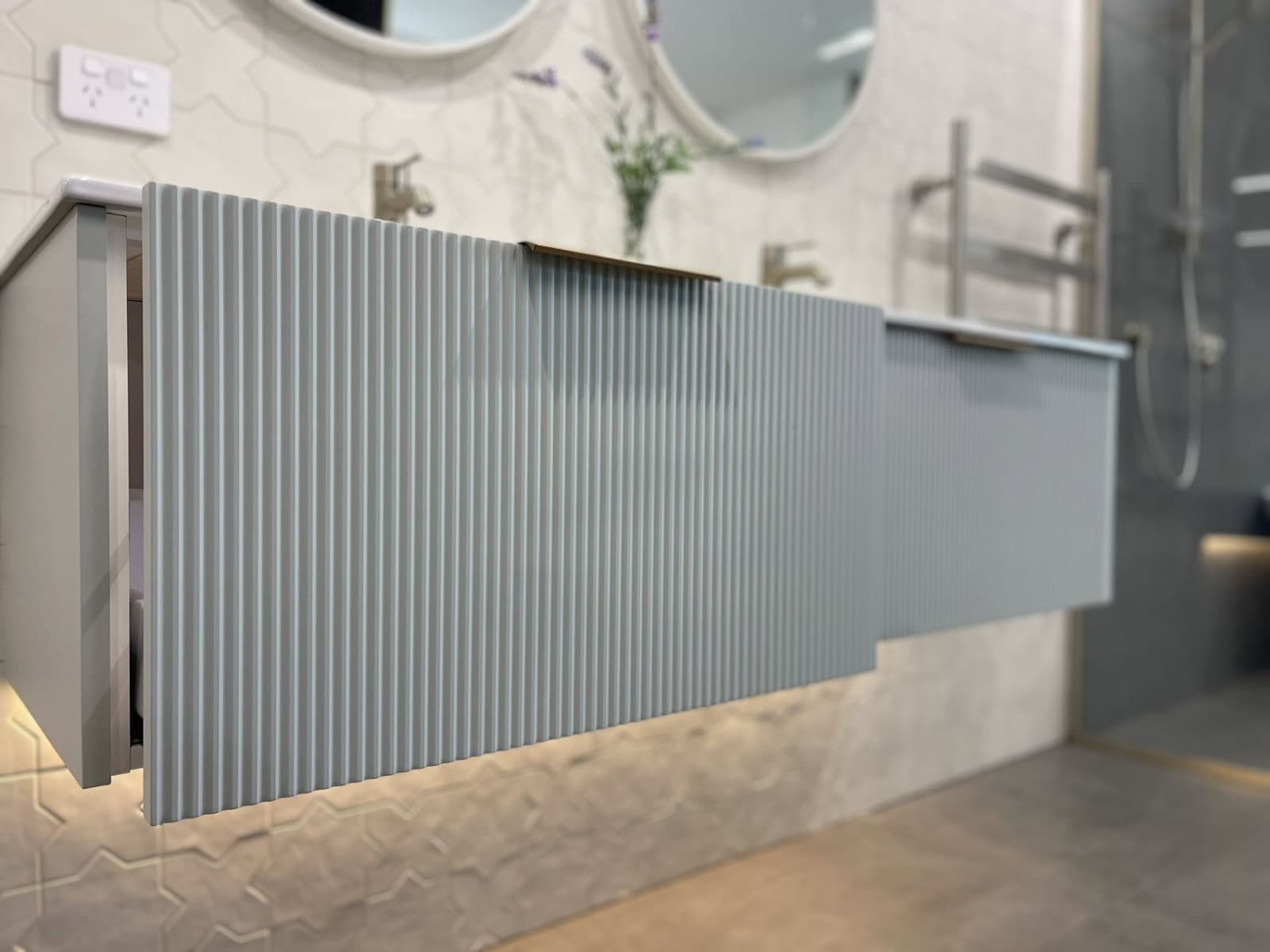
Let’s start at the beginning, because the terminology gets misused a lot. Thermoforming is a manufacturing process, not a material in itself. A tough vinyl film is wrapped over the face and edges of a profiled fibreboard panel, then bonded under heat and vacuum pressure. Dezignatek specifies high density fibreboard with moisture resistance (HDF MR), which it describes as more stable and more moisture resistant than standard MDF. The result is a door or drawer front with a perfectly formed continuous edge: no edge tape, no join lines, no exposed substrate.
That last point matters more than most people realise. Most flat cabinet doors use edge-banding tape applied around the perimeter of the panel. In a kitchen, where steam, condensation and heat are constant, that tape can lift, and once it peels, moisture reaches the board, the edge swells and the door is finished.
Thermoform removes that particular failure point because the vinyl wraps around the edge and is bonded under pressure instead of being glued on as a strip. It brings its own limit in exchange: Dezignatek’s thermoform technical data sheet says surface temperatures above 50 degrees Celsius may cause delamination, and its care guide warns that steam cleaners can push moisture in around the door edge.
What’s the Board Core and Why Does It Matter?
The substrate underneath the vinyl is fibreboard, which gets a bad reputation in some circles, usually from people confusing it with cheap flat-pack board. Dezignatek uses high density fibreboard with moisture resistance (HDF MR), which its data sheet describes as having an increased fibre content that makes it more resistant to moisture and more stable than standard MDF. That density matters because thermoforming needs an accurate, smooth surface for the vinyl to wrap cleanly into routed profiles.
One thing to be aware of: fibreboard doesn’t love prolonged direct moisture any more than timber does. The doors themselves are sealed by the vinyl wrap, but the backs of the panels are finished in melamine; Dezignatek’s data sheet notes the back face is traditionally melamine. The same sheet rules thermoform out of places where the air stays damp for long periods, such as an indoor pool, a sauna or an industrial wet area. In normal kitchen conditions this isn’t an issue — but if you’re speccing cabinetry in a laundry or near a sink with poor ventilation, it’s worth flagging with your designer so drainage and airflow are considered in the layout.
Formaldehyde, Eco Choice Aotearoa and Durability
Three lines in the same data sheet answer questions people often don’t think to ask until the cabinets are in. The HDF board is rated E0 for formaldehyde emissions under AS/NZS 1859.2, at 0.5mg per litre. Thermoform in solid colours carries Eco Choice Aotearoa accreditation when it’s pressed on 9-30mm HDF; the sheet claims that for solid colours only, so if environmental certification matters to you, pick from the solid range, not the printed woodgrains. And for Building Code purposes, Dezignatek states thermoform meets the clause B2 durability requirement for interior linings of five years. That’s a compliance floor for linings, not a forecast of how long your doors will look good, and it sits well inside the 10-year warranty on the doors themselves.
Thermoform vs. Lacquer vs. Two-Pac — What’s the Difference?
This comes up constantly in our consultations. Here’s the honest comparison:
| Finish Type | How It’s Made | Durability | Supply Cost per Door | Profile Options |
|---|---|---|---|---|
| Thermoform | Vinyl wrap heat-bonded to HDF MR under vacuum | Very good: chip resistant, unbroken edge, moisture tolerant | $90–$140 | Extensive: flat, shaker, detailed profiles |
| Two-pac / Lacquer | Sprayed paint finish on MDF, oven cured | Good finish but can chip on edges; touch-ups visible | $140–$200+ (polyurethane) | Flat only (typically) |
| Melamine / Laminate | Decorative paper fused to particle board under pressure | Good on flat surfaces; edge tape can lift over time | $60–$110 (Melteca) | Flat only |
| Timber veneer | Real wood slice on MDF substrate | Excellent: ages well if maintained | $160–$240+ | Flat; some profiles possible |
Those per-door figures are supply-only ranges from our breakdown of what kitchen cabinets cost in New Zealand; installation is on top. Run them across a kitchen with 20 door and drawer fronts and the gap becomes concrete: $1,800–$2,800 in vinyl-wrapped fronts, against $1,200–$2,200 in melamine or $2,800–$4,000-plus in polyurethane, before a hinge or runner is counted.
The thing thermoform does that lacquer can’t is wrap a profiled or routed door edge in one unbroken finish. That’s why profile doors (the ones with a shaker rail detail, an ogee edge or a deeper routed groove) are usually thermoformed, and why Dezignatek describes thermoform as chip resistant, unlike a lacquer finish. Spraying lacquer evenly into a tight internal corner is hard to do well; wrapping it in vinyl isn’t.
💡 Design tip: If you’re drawn to profiled or shaker-style doors, thermoform is almost always the right specification. It’s the finish type the profiles were designed for — and it’s what makes them durable enough to stand up to an Auckland kitchen over the long term.
If you want to read more about how the material choice of your cabinet doors fits into the broader kitchen build, our post on kitchen cabinet materials for your design covers the full picture.
Why We Use Dezignatek for Thermoform Doors
We specify materials and components from a number of suppliers across our builds. Hardware from Blum, Hettich and Häfele. Surfaces from Laminex. And for thermoform profiled doors and panels, we go to Dezignatek — consistently, on project after project.
That’s not a default. It’s a deliberate choice.
Who Is Dezignatek?
Dezignatek makes custom thermoform cabinetry doors, drawers and panels in Auckland. They have been operating in New Zealand since 2004, and since 2017 they have run from a purpose-built production facility in East Tamaki, about as local as a supplier gets. They are owned by New Zealand Panels Group, which also owns the Arborline doors brand, integrated into the same facility in 2018. Dezignatek describes the plant as having automated sanding and glue lines, its own thermoform press, and a tracking system that follows each job from order to despatch.
That’s more than twenty years supplying New Zealand joiners. Age proves nothing on its own, but Dezignatek publishes a technical data sheet and warranty terms you can read before you buy, and those documents are what this article leans on.
What Makes Dezignatek’s Product Different
A few things stand out when you work with Dezignatek regularly:
First, the colour range is broad. Dezignatek publishes its thermoform colours across seven finish types (Matt, Supermatt, Gloss, Satin, Texture, Woodgrain and Raw), and any profile can be made in any colour in the range. See the woodgrains in person, not on a screen: a darker oak tone gives warmth without the upkeep of real timber, and a sample held against your benchtop tells you more than any photo.
Second, the profile range. Dezignatek’s range spans three series: Series 1 for elegant and simple forms, Series 2 for the traditional shaker shape and more elaborate designs, and Series 3 for profiles with strong detail and real design impact. That gives us genuine flexibility across very different briefs.
Third, the paint-ready option. Dezignatek also supplies paint-ready doors in its profiles, delivered raw so a painter can spray them in any colour. They aren’t thermoformed, so they behave like painted doors, not vinyl ones, and Dezignatek’s warranty guide gives them their own warranty terms; ask for those before you choose them. It’s the route to take when you want a colour the vinyl range can’t match and you’re happy with painted-door upkeep.
“Thermoform profiled doors give us the ability to add genuine architectural character to a kitchen without the cost and fragility of painted timber. That unbroken edge is a detail that holds up, which matters to us and to our clients.”
— Little Giant Interiors Design Team
Local Manufacturing — Why That Matters for Custom Kitchen Projects
Because Dezignatek manufactures in East Tamaki, lead times can be confirmed locally instead of waiting on a shipping schedule. Custom thermoform doors are made to order: your dimensions, your profile, your colour. Ask for the current lead time when the order is placed, because it moves with the factory’s workload and the profile you choose.
For a custom kitchen project, that makes scheduling far more manageable. We’re not waiting on a container from Europe; we’re working with a local manufacturer who can confirm dates, flag issues early and, if something needs to be remade, turn it around without derailing the installation.
The Dezignatek Series 3 Range: Profiles With Real Detail
Series 3 is the most detailed of Dezignatek’s three thermoform series. The defining characteristic of Series 3 is that the profiles have real detailing — routed lines, rails, and grooves that give the doors genuine visual weight and dimension, rather than the flatter, more minimal profiles of Series 1.
If your brief includes words like “character”, “Hamptons”, “classic”, “traditional”, “French provincial”, or “coastal” — Series 3 is almost certainly where you’ll land. Here’s a run-through of the Series 3 profiles.
Ronda and Oslo — The Shaker Staples
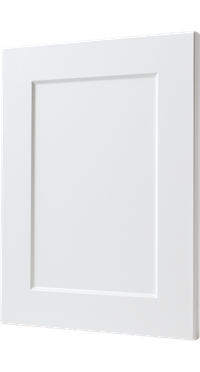
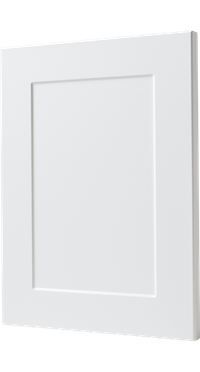
Dezignatek themselves describe Ronda and Oslo as the Series 3 profiles that meet the demand for the classic shaker-style door. They’re the first two we put in front of a client who asks for shaker, and they suit a villa or bungalow restoration as well as a newer home. If you’re settling on one, here’s what to plan for in a shaker kitchen with thermoformed doors.
The shaker door is popular for a reason: it’s one of the few cabinet styles that reads as both contemporary and timeless simultaneously. Done well in a neutral or warm white, it’s as at home in a newly renovated 1920s bungalow as it is in a modern Hobsonville townhouse.
The difference between Ronda and Oslo is subtle — they have different rail and stile proportions and slightly different internal profile depths. We typically show clients both in person during the consultation process, because the choice often comes down to which one feels right against their benchtop sample and handle selection.
Prague and Brussels — For More Detailed, Statement Kitchens
Where Ronda and Oslo read as clean and classic, Prague and Brussels have a more pronounced profile detailing that makes a stronger visual statement. These are the profiles we use when a client is going for something with genuine architectural presence — a kitchen that feels designed rather than assembled.
Prague suits Hamptons and French provincial briefs. The profile has depth and definition that holds shadow lines across different lighting conditions, which matters in a kitchen where the light shifts between morning and evening. Dezignatek’s own gallery shows it in Black Satin, a reminder that a detailed profile in a dark colour reads very differently from the same door in white.
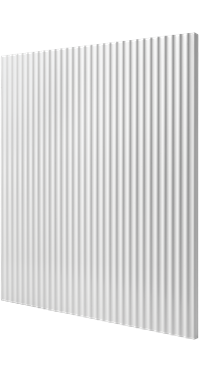
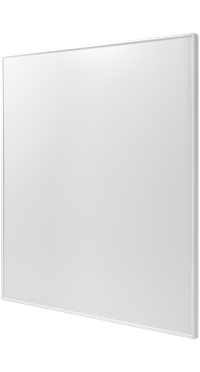
Berlin, Classic, Levante, Contemporary, Russell, Rangitoto and Taranaki
The full Series 3 lineup also includes Berlin, Classic, Levante, Contemporary, and Russell, plus Rangitoto and Taranaki.
Berlin sits between the shaker simplicity of Oslo and the depth of Prague — it’s a good choice when a client wants a defined profile but finds Prague a bit much. Classic does exactly what the name suggests. Levante and Contemporary lean into slightly more angular detailing that suits modern and transitional kitchen briefs well.
💡 Design tip: Don’t choose your profile from a screen. The depth and shadow lines of a profiled door look very different on a phone versus in a real space under real light. Ask to see physical samples in your own kitchen’s light before you sign off a profile.
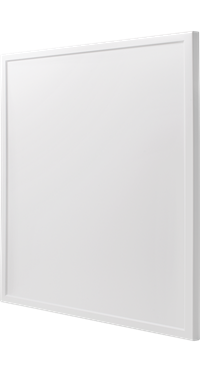
Thermoform, Thermal Wrap, Vinyl Wrap, Thermofoil: The Same Door Under Different Names
If you have been quoting a kitchen you will have seen the same product described four or five different ways, and it is a genuinely confusing corner of the market. Here is the plain version.
- Thermoform is the manufacturing process: a vinyl film is drawn over a profiled fibreboard panel under heat and vacuum pressure so it bonds to the face and wraps around the edges.
- Thermal wrap and vinyl wrap describe the same thing from the material’s point of view rather than the machine’s. They are not a different product and they are not a lesser one.
- Thermofoil is the North American term for it, which is why it turns up in overseas articles and almost never on a New Zealand quote.
- Foil wrapped and 2D wrap are trade shorthand you will hear on site. Same door.
What genuinely differs is not the name but the film and the substrate underneath. A thin film over an unsealed core in a wet area is where thermoform gets its bad reputation, and it is a specification problem rather than a process problem. The questions worth asking a supplier are which film they are using, whether the panel is moisture-resistant fibreboard, and how the door behaves next to an oven or a dishwasher vent. If a quote just says “vinyl wrap doors” with no brand behind it, that is the gap to close before you sign.
One term that is genuinely different: laser edged doors are flat melamine or acrylic panels with an edge band fused on, not a wrapped profile. They look excellent on flat, handleless designs, but they cannot carry a routed profile the way thermoform can. Our guide to acrylic and laminate cabinet fronts covers where those sit.
How to Choose the Right Profile for Your Auckland Kitchen
Picking a door profile isn’t just about which one looks best in isolation. The right profile depends on your kitchen’s overall design direction, your handle choice, your benchtop, and the architecture of the space you’re renovating.
Here’s how we think through it with clients.
Match the Profile Weight to Your Kitchen’s Architecture
This is the rule that gets broken most often when people try to design their own kitchen from a product catalogue. Profile doors have visual weight — the deeper and more detailed the profile, the more it dominates the room. That’s not bad; it just needs to match.
A deeply profiled door like Prague or Brussels looks incredible in a kitchen with high stud heights, generous cabinetry runs, and architectural moulding on the ceiling. In a compact kitchen with standard 2.4m stud, the same profile can feel heavy and crowded. This is why we do site visits before specifying anything — the space tells you a lot.
Conversely, a beautifully proportioned space in an older Ponsonby villa can carry a detailed profile that would overwhelm a new townhouse in Albany. Architecture matters. Work with it, not against it.
Your Handle Choice Affects Which Profile Works
This gets missed constantly. If you’re going handleless (a push-to-open mechanism or a routed grip channel in the door), you want a profile that has enough presence on its own. A flat or lightly profiled door in a handleless kitchen can read as unfinished.
If you’re going with hardware (bar handles, cup pulls or knobs), you have more flexibility because the handle itself adds visual interest, and the profile becomes the background layer. In this case, even a simpler Series 1 profile can be enough. Whichever you choose, settle the handle positions at the design stage: Dezignatek doors must not be drilled or coated after install, so a handle moved later is a door replaced.
Series 3 profiles like Prague and Ronda pair well with cup pulls or knurled bar handles for a Hamptons or coastal look, and with brushed brass bar handles for a more contemporary take. Both work well. What doesn’t work is a highly detailed door with a visually aggressive handle competing for attention.
Colour Interacts With Profile Depth
A white thermoform door in a flat profile looks clean and minimal. The same profile in a dark colour (a deep charcoal, a navy, a forest green) gains definition because the shadow lines in the profile become visible. Going to a darker colour effectively deepens the impact of your profile choice. One caution from Dezignatek’s data sheet: darker colours absorb more heat, so a dark door in direct sun or beside an oven sits closer to the 50°C line than a pale one.
The reverse is also true. A very detailed profile in a very light colour can flatten out under certain lighting conditions. If you’re going pale (warm white, soft stone, linen), lean into a profile with enough depth to hold its own.
“We always tell clients: the profile is the architecture of the door. The colour is the clothing. Get the architecture right first; the rest follows.”
— Little Giant Interiors Design Team
Six Questions to Ask Before You Sign a Thermoform Door Quote
A quote that says “vinyl wrap doors” and nothing else isn’t a specification. These six questions turn it into one:
- Which supplier and which range? The film and the board underneath it are what you’re paying for, and both are named in a real specification.
- What are the profile name and colour code? They belong in your handover documents, so a replacement door can be matched years later.
- Where do the doors sit relative to the oven, cooktop and dishwasher? Ask to see it on the plan, with the appliance maker’s installation clearances marked.
- Are the handle positions fixed? A thermoform door must not be drilled or coated after install, so this is a design-stage decision.
- Whose hinges and runners? Blum and Hettich hardware both carry a lifetime warranty on our schedule, and Blum New Zealand’s warranty and maintenance statement says its hinge systems are tested up to 200,000 opening movements.
- Who handles a warranty claim? With Dezignatek doors it goes through the joiner, so the answer should be the company quoting you.
Replacing Kitchen Cabinet Doors Only — Is Thermoform Right for a Partial Refurb?
Quite a few Auckland homeowners come to us not wanting a full kitchen renovation, but asking about replacing kitchen cabinet doors only — keeping the existing carcasses and updating the door fronts to freshen the look. It’s a legitimate question and it can work well.
Thermoform profiled doors are a strong choice for door replacement projects because they’re made to order in custom sizes, so they can be cut to match your existing cabinet dimensions. The key check is whether your existing carcasses are structurally sound and worth keeping. Chipboard carcasses from a 1990s kitchen may not be — MDF or hardwood ply carcasses from a better-quality original fit-out generally are.
Four checks decide whether a door-only swap is worth doing:
- Are the carcasses sound? Push on a shelf and look at the bottom of the sink cabinet. Swollen edges, soft corners or a sagging base mean the box has already taken water, and new doors on a failing carcass is money spent twice.
- Is the layout right? New doors change how a kitchen looks and change nothing about how it works. If the frustration is a bad work triangle or not enough bench, doors will not fix it.
- Will the hinges carry a heavier door? A profiled thermoform door is heavier than the flat melamine door it replaces. Tired hinges that were coping will start to drop, so budget for replacing the hardware at the same time.
- Are the existing openings consistent? Older kitchens drift out of square. Doors made to order can absorb some of that, but a run of cabinets that is 8mm out across its length will show in the gaps.
Where a full rebuild is the better call, that is the work we do out of our Rosedale factory every week. Where all four stack up, replacing the doors and drawer fronts can be a good-value change that doesn’t touch the plumbing. Where they don’t, you’re better off putting the money into new cabinetry.
On consent: whether a job counts as building work depends on what’s actually being done, and swapping door fronts sits at a very different end of that scale from moving a sink or altering framing. Check with Auckland Council or a Licensed Building Practitioner before you assume either way. Our guide to cabinet door replacement and made-to-order pricing sets out how each option is quoted, and a conversation with us is the fastest way to know which side of the line your kitchen falls on.
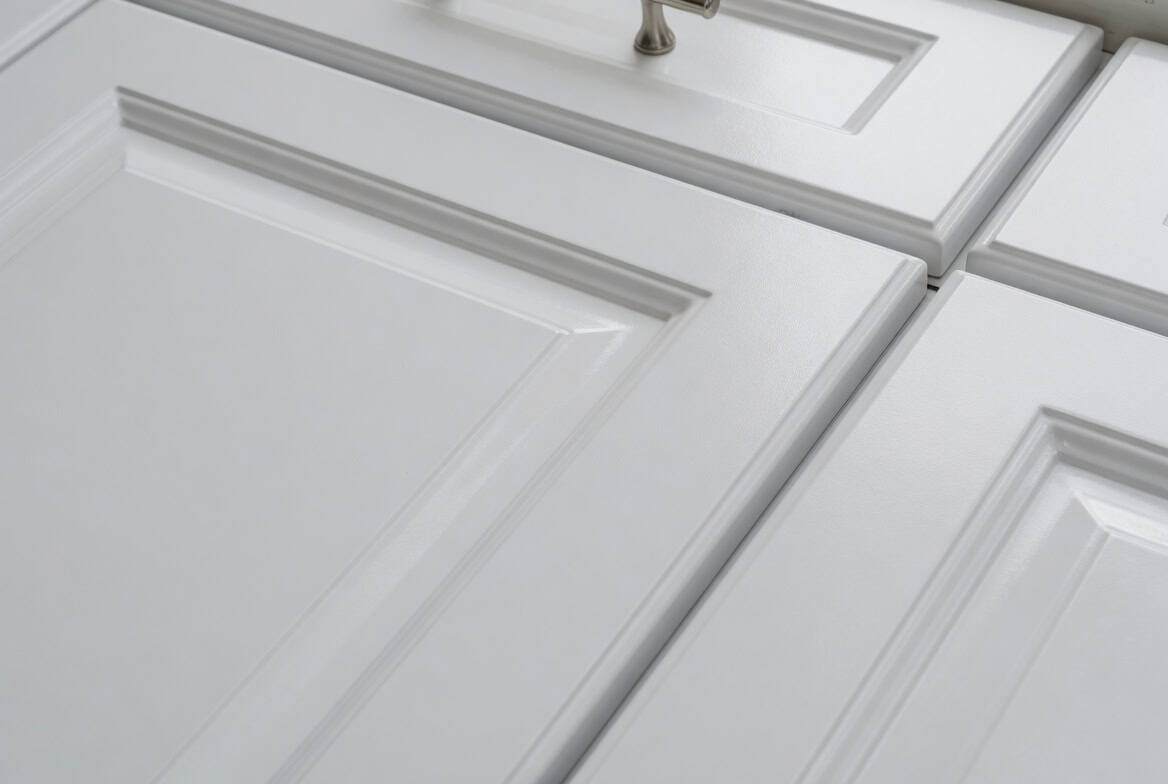
Caring for Thermoform Cabinet Doors — What Auckland Homeowners Need to Know
Thermoform doors are low maintenance — but there are a few things worth knowing to keep them looking good for the long term.
Heat Is the Main Thing to Manage
Thermoform doors are durable in normal kitchen use. The genuine vulnerability is heat, and Dezignatek puts a number on it: surface temperatures above 50 degrees Celsius may result in delamination, which the warranty won’t cover. Its data sheet names the usual causes: heat-generating appliances, steam mops used under the doors, and placement above hobs and ovens where heat and steam rise. It adds that prolonged direct sun should be avoided, especially on darker colours, which absorb more heat.
In other words, the layout carries most of the risk, not the door. These are our design habits around it (our judgement, not Dezignatek’s specification):
- Treat the appliance maker’s installation clearances beside and above a wall oven or cooktop as a minimum for a vinyl-wrapped door, never a target.
- Keep thermoform off the face directly above a cooktop, which is exactly where the data sheet says heat and steam rise.
- Think twice about a dark colour on a run that takes afternoon sun through a west-facing window.
- Keep steam mops away from the base cabinets altogether.
If your kitchen is being designed around a freestanding range or a wall oven tower, make sure your designer shows you where every thermoform door sits relative to it before you sign off the plan.
Cleaning — Keep It Simple
Dezignatek’s warranty and care guide keeps it simple: wipe with a clean damp cloth, then wipe dry. For spills, splashes and greasy marks, use warm water and detergent or a general-purpose spray and wipe, then rinse with a damp cloth and dry. Never use abrasive cleaners such as Jif or Vim, steel wool or scourers, and never use paint thinners, solvents or methylated spirits. The data sheet adds citrus-based cleaners to the list, because they can leave a sticky residue.
If a faint stain is left after cleaning, the guide’s advice is to stop scrubbing: many food stains fade over time, and rubbing hard or repeatedly in one spot can change the look of the surface. Use a gentle, wide circular motion instead.
What to Do If a Door Gets Damaged
Unlike painted doors, which can be touched up on-site, thermoform vinyl panels can’t be spot-repaired. If a section of vinyl lifts or the door gets a significant impact, the door front needs to be replaced. The upside: because Dezignatek manufactures in Auckland and works to order, replacement doors can be produced in the same profile and colour as the originals — as long as the colour is still in the current range. Colours do come and go from supplier ranges, so if a door is damaged years from now and its colour has been discontinued, the realistic options are a close match from the current range or new fronts for the whole bank, so the run still reads as one. It’s worth keeping a note of the specific profile name and colour code from your kitchen design documentation for this reason.
What the Dezignatek Door Warranty Covers
Dezignatek doors carry a 10-year warranty, listed on our published guarantee schedule alongside the other materials we use. Under Dezignatek’s terms the 10 years run from purchase by the joiner, which is us, and claims come through us: if you notice a defect, tell us within 30 days of finding it so we can inspect the doors and lodge the claim. The doors must not be drilled or coated after install, which is why handle positions are fixed at the design stage and why a thermoform door is never painted over later.
💡 Design tip: Ask your designer to record the Dezignatek profile name and colour code in your project handover documentation. If you ever need a replacement door in 5 or 10 years, that information makes the process simple.
To see how thermoform cabinet doors work alongside other kitchen renovation decisions (benchtop materials, hardware, appliances), our post on kitchen renovation on Auckland’s North Shore gives a fuller picture of the process from brief to handover.
Seeing Dezignatek Series 3 Profiles in a Real Auckland Kitchen
The way to judge a Series 3 profile is in the room it’s going into, under the light it will actually get. A door that looks crisp on a phone can flatten out in a south-facing kitchen, and a deep profile that looks busy in a brochure can look exactly right against a high stud.
We don’t choose a door from a catalogue page. We choose it with the samples in your kitchen, against your benchtop and handles, with the oven and cooktop positions already drawn, so the heat question is settled before the colour is.
If you’re in the research phase for a kitchen renovation, book a consultation with us, at your home or at our head office. A free preliminary 3D design and estimate follow within 1-2 days, so you can see the profile in your own layout before you commit.
You can also find more detail on the full Dezignatek thermoform range (colours, technical resources and installation guidance) directly at dezignatek.co.nz.
➡ Book your free in-home design consultation with Little Giant Interiors
➡ See how our design and build process works
➡ Learn more about our custom kitchen renovation in Auckland
What is a thermoform kitchen cabinet door?
A thermoform door is a moisture-resistant high density fibreboard (HDF MR) panel with a vinyl film wrapped over its face and edges and bonded under vacuum heat and pressure. Because the vinyl wraps the edge in one piece, there is no edge tape to lift, and the back face is usually melamine. Dezignatek describes the finish as chip resistant, unlike a lacquer finish.
Who is Dezignatek and where are they based?
Dezignatek makes thermoformed doors, drawers and panels in Auckland. It has operated in New Zealand since 2004, is owned by New Zealand Panels Group and runs from a production facility in East Tamaki that opened in 2017. New Zealand Panels Group bought the Arborline doors business in 2018 and moved its manufacturing into the same plant.
What is Dezignatek's Series 3 range?
Series 3 is Dezignatek's range of thermoform profiles with strong detailing. It includes Ronda, Oslo, Prague, Brussels, Berlin, Classic, Levante, Contemporary, Russell, Rangitoto and Taranaki. Dezignatek names Ronda and Oslo as the Series 3 profiles for the classic shaker-style door. Any profile can be made in any colour in the thermoform range.
Can thermoform doors go next to an oven or above a cooktop?
With care. Dezignatek's data sheet says surface temperatures above 50 degrees Celsius may cause delamination that the warranty does not cover, and it advises against placing thermoform above hobs and ovens where heat and steam rise. Darker colours absorb more heat. Follow the appliance maker's installation clearances and settle door positions around the oven and cooktop at the design stage.
Can I replace just my kitchen cabinet doors with thermoform?
Often, yes, because thermoform doors are made to order and can be sized to existing cabinets. Check four things first: whether the carcasses are still sound, whether the layout actually works, whether the hinges will carry a heavier profiled door and whether the openings are consistent. If the carcasses have taken water or the layout is the real problem, new doors are money spent twice.
How do thermoform doors compare to two-pac lacquer doors?
Dezignatek describes thermoform as chip resistant, unlike a lacquer finish. Two-pac gives an excellent finish on flat doors and can be touched up on site, but it is harder to apply evenly into a routed profile. On our published supply figures, a vinyl-wrapped door costs about $90 to $140 and a polyurethane-painted door $140 to $200 or more, before installation.
Which Dezignatek profiles are shaker-style?
A shaker door has a flat centre panel framed by rails and stiles. In the Series 3 range, Dezignatek names Ronda and Oslo as its classic shaker-style doors, and Series 2 also covers the traditional shaker shape. Ronda and Oslo differ in their rail and stile proportions, so compare samples side by side against your benchtop and handles.
Can Dezignatek thermoform doors be painted?
Not after installation. Dezignatek doors must not be drilled or coated after install, so a vinyl-wrapped door should never be painted over later. If you want a custom paint colour, Dezignatek makes paint-ready doors that are supplied raw for spraying. They are not thermoformed and carry their own warranty terms, so treat them as painted doors from the start.
How do I clean thermoform kitchen cabinet doors?
Wipe with a clean damp cloth, then dry. For greasy marks use warm water and detergent or a general-purpose spray and wipe, then rinse with a damp cloth and dry. Do not use abrasive cleaners, steel wool, scourers, citrus-based cleaners, paint thinners, solvents or methylated spirits, and keep steam mops away from the doors. A damaged thermoform door is replaced, not spot-repaired.
Does Little Giant Interiors use Dezignatek on every kitchen?
No. Dezignatek is where we order thermoformed profiled doors from. Flat and handleless kitchens often suit melamine, acrylic or a painted finish better, and we choose the door with you at the free in-home consultation, based on the design, the heat around your appliances and your budget.
What is the difference between thermoform, vinyl wrap and thermofoil doors?
They are three names for the same thing. Thermoform is the process, vinyl wrap or thermal wrap describes the material, and thermofoil is the North American term. What actually differs between suppliers is the film and the substrate underneath it, not the name on the quote. Ask which film is used and whether the panel is moisture-resistant fibreboard.
How long is the warranty on Dezignatek doors?
Dezignatek doors carry a 10-year warranty, listed on our guarantee schedule. It runs from purchase by the joiner, and claims go through us, so tell us within 30 days of finding a defect. The doors must not be drilled or coated after install, which is why handle positions are settled at the design stage.
Have you been putting off your kitchen renovation?
We offer flexible finance options to help you get your dream kitchen sooner. Learn more about our interest-free finance options.