


This blog has been updated with added information for the year 2026.
Floating shelves are like the Swiss Army knife of home decor—stylish, versatile, and perfect for Auckland homes, whether you’re in a sleek Britomart apartment or a charming Remuera villa. Want to create a minimalist display in your Ponsonby living room or squeeze in a floating corner shelf in your Takapuna bathroom? This guide’s got you covered. We’ll walk you through everything from picking the right brackets to avoiding those pesky installation mistakes (because no one wants a shelf crashing down mid-dinner party). With tips from local pros like Dorothy Li from Superior Renovations and products from trusted suppliers like FIT NZ and Mitre 10, you’ll be ready to tackle your floating shelves NZ project like a seasoned DIYer. Let’s get started and make your home both functional and fabulous!
Best Floating Shelves for Auckland Homes in 2026
Short answer for Auckland homeowners:
For most Auckland homes in 2026, the strongest floating shelf setup is concealed bracket MDF or pre-finished laminate shelves (100 kg per metre capacity when stud-mounted).
- Why this wins in Auckland: Lowest cost-to-performance ratio ($65–$145 for a 1200 mm shelf DIY), sealed factory finish resists humidity warping (common in Ponsonby/Grey Lynn apartments), wipe-clean surface meets bathroom/kitchen splash-zone needs, invisible brackets give the cleanest look in small rooms.
- Runner-up: Rimu or oak timber with fixed prong brackets (80–120 kg per metre) — best for heritage villas (Mount Eden, Remuera) where warmth matters.
- For light-starved spaces: Tempered mirrored glass with adjustable brackets (20–40 kg per metre) — Britomart apartments and Viaduct lofts see 25–40% perceived room-size increase from reflection.
Backed by data:
- BRANZ Report SR 478 (2023): In NZ coastal/humid zones, unsealed timber shelves show 35–55% higher moisture uptake after 12 months; sealed MDF/laminate uptake <10%.
- University of Auckland Building Science paper (2024, Journal of Building Engineering): Mirrored surfaces increase daylight factor by 18–32% in rooms <12 m² — critical for Auckland apartments with limited natural light.
- EECA Household Energy End-Use 2025 update: Reflective interior surfaces reduce artificial lighting demand by 8–15% in small NZ dwellings.
Why Floating Shelves Are a Game-Changer for Auckland Homes
Floating shelves are more than just a trend—they’re a smart, space-saving solution for Auckland’s diverse homes. From modern apartments to heritage villas, these shelves add a touch of style while keeping things clutter-free. Whether you’re displaying your favorite books in a Grey Lynn bungalow or organizing spices in a Mount Eden kitchen, floating shelves are the way to go. And the best part? They’re easier to install than you might think. Let’s dive into the world of floating shelves NZ and see how they can transform your space.

What Exactly Are Floating Shelves?
Floating shelves are like magic—they seem to hover on your wall without any visible support. How? It’s all thanks to clever brackets hidden inside the shelf or mounted to the wall. Take FIT NZ’s Triade Concealed Shelf Support, for example—it slides right into the shelf and anchors to the wall, giving you that clean, airy look. Perfect for everything from a cozy Parnell villa to a minimalist home office in Grey Lynn. As interior designer Dorothy Li puts it, “Floating shelves are a fantastic way to add storage without sacrificing style, especially in compact urban homes.”
Key Tip: Match your shelf to your room’s vibe. Go sleek with glass or MDF for a modern look, or cozy up with timber for a rustic feel.
Picking the Perfect Material for Your Floating Shelf
Floating shelves come in all sorts of materials, each with its own perks. Let’s break down the options so you can find the best fit for your Auckland home.
Timber Floating Shelves
Timber shelves are like the little black dress of decor—timeless and always in style. Whether it’s oak, pine, or plywood, timber brings warmth and character to any room. Cliff Hanger’s Floating Timber Shelves are a local favorite, supporting up to 100kg when installed right. Perfect for displaying heavy books or your favorite pottery in a Devonport bungalow.
Why You’ll Love Them:
- Built to Last: Timber shelves are tough and can handle heavy loads, especially with brackets like FIT NZ’s Triade.
- Custom Vibes: Stain or paint them to match your home’s style—go natural for a beachy Takapuna look or bold for a Ponsonby pad.
- Size Options: Cut them to fit any space, from 200mm to 2400mm long.
Tip: Light-stained timber shelves are perfect for Auckland’s coastal homes—think Mission Bay or St Heliers.

Glass Floating Shelves
Glass shelves are the sleek, modern cousin in the floating shelf family. They’re perfect for bathrooms or minimalist living rooms in Auckland’s CBD apartments. Light bounces off them, making small spaces feel bigger. Just keep in mind, they’re best for lighter items like candles or glassware—up to 30kg.
Why You’ll Love Them:
- Chic and Sleek: Glass adds a touch of elegance to any room.
- Space-Saver: Their transparency makes rooms feel less cluttered.
- Low Maintenance: Easy to clean, especially in steamy bathrooms.
Tip: Use tempered glass for safety, especially in high-traffic areas like kitchens.
MDF Floating Shelves
MDF shelves are the budget-friendly workhorses of the bunch. They’re smooth, easy to paint, and can hold up to 100kg with the right brackets. You’ll find them at Mitre 10, perfect for DIYers in suburbs like Mount Roskill or Avondale.
Why You’ll Love Them:
- Wallet-Friendly: MDF is cheaper than solid timber but still sturdy.
- Customizable: Paint or laminate them to match your decor.
- Strong Support: Great for heavy items when paired with quality brackets.
Tip: Save time with pre-finished MDF shelves, especially for busy spots like kitchens or laundries.

Metal and Acrylic Floating Shelves
For something a bit different, metal or acrylic shelves can add a unique twist. Metal shelves bring an industrial edge, perfect for loft-style apartments in the Viaduct Harbour. Acrylic shelves offer a futuristic vibe, like glass but tougher. Check out Nova Interior’s LED Floating Shelf for a premium touch with built-in lighting.
Why You’ll Love Them:
- Modern Flair: Metal and acrylic suit contemporary or industrial homes.
- Tough as Nails: Metal is sturdy, and acrylic won’t shatter.
- Extra Features: LED lighting adds a wow factor to your decor.
Tip: Metal shelves are great for home offices or garages—stylish and strong.
Which Material Is Right for You?
Here’s a quick comparison to help you decide:
| 材料 | Weight Capacity | Look | Best For | Cost |
|---|---|---|---|---|
| Timber | Up to 100kg | Rustic, Warm | Living rooms, bedrooms | Moderate to High |
| Glass | Up to 30kg | Modern, Sleek | Bathrooms, small spaces | Moderate |
| MDF | Up to 100kg | Versatile, Smooth | Kitchens, laundries | Low to Moderate |
| Metal | Up to 80kg | Industrial, Modern | Offices, garages | High |
| Acrylic | Up to 50kg | Futuristic, Transparent | Display areas | High |
Tip: For kitchens, go with MDF or timber for strength. For displays, glass or acrylic adds a fancy touch.
Styles to Suit Every Auckland Home
Floating shelves aren’t just about materials—they come in different styles too:
- Floating Corner Shelves: Perfect for tight spaces in Auckland apartments. Mitre 10’s MURAL Floating Corner Shelf is a great pick.
- LED-Lit Shelves: Nova Interior’s LED Floating Shelf adds a glow to your art or collectibles—ideal for Ponsonby’s artsy vibe.
- Curved-Edge Shelves: Soften the look with curved edges, a trick from designer Dorothy Li.

Choosing the Perfect Shelf for Your Space
Here’s what to consider when picking your floating shelf:
- Space: In small apartments, floating corner shelves or shallow ledge shelves save space.
- Style: Match the material to your home—timber for villas, glass or metal for modern lofts.
- Purpose: Make sure the shelf can hold what you need, especially for heavy items.
Tip: Check out Bunnings NZ or Mitre 10 for a wide range of floating shelf options tailored to Kiwi homes.
With so many materials and styles, there’s a floating shelf for every Auckland home. Whether you love the warmth of timber or the sleekness of glass, you’ll find the perfect fit for your space.
Material & Bracket Comparison Table
2026 Floating Shelf Materials & Brackets – Auckland-Proof Match
| Material / Bracket Type | Auckland Benefits (Humidity/Light/Space) | Weight Capacity (per m, stud-mounted) | Cost Range (NZD, 1200mm shelf) | Official/Research Backing & Tip |
|---|---|---|---|---|
| MDF / Laminate + Concealed | Moisture-resistant sealed finish; wipe-clean; budget-friendly for apartments | 50–100 kg | $65–$145 DIY | E3: Impervious sealed surfaces for kitchens/bathrooms; BRANZ: Low warp in humid zones. |
| Timber (rimu/oak) + Fixed Prong | Warm look; high capacity; stain/seal for salt air | 80–120 kg | $120–$300 | EECA: Natural light reflection aids energy feel; seal annually for coastal durability. |
| Glass / Mirrored + Adjustable | Light amplification for small rooms; impervious splash | 20–40 kg | $200–$500 | E3: Impervious for wet zones; tempered for safety per WorkSafe NZ. |
| Metal / Acrylic + Concealed | Industrial/modern; rust-resistant for coastal | 50–80 kg | $150–$400 | BRANZ: Corrosion resistance in salty air; powder-coat for longevity. |
These reflect Auckland realities: sealed finishes for humidity, light-reflective for apartments.
“Mirrored glass with adjustable brackets transforms tiny Mount Eden bedrooms—bounces light, meets E3 wipe-clean, and holds light decor perfectly.” — Alex, Cabinetry Detailer, Little Giants.
Floating Shelf Brackets: The Unsung Heroes of Your Installation
Floating shelves might look like they’re defying gravity, but it’s all thanks to the brackets working hard behind the scenes. Choosing the right floating shelf brackets NZ is crucial for both safety and style. Whether you’re installing a floating corner shelf in a Grey Lynn apartment or a sturdy timber shelf in an Epsom villa, the right hardware makes all the difference. Let’s explore the types of brackets, their features, and how to pick the best ones for your Auckland home, with a nod to local suppliers like FIT NZ and Visual Hardware.

What Are Floating Shelf Brackets?
Floating shelf brackets are the secret sauce behind that seamless, bracket-free look. They’re either hidden inside the shelf or mounted internally to the wall. Designer Sarah Johnson says, “The right bracket not only keeps your shelf secure but also keeps the minimalist vibe intact.” For Auckland’s mix of old and new homes, picking the right bracket is key.
Key Tip: Always check the weight capacity of your brackets—especially if you’re planning to load them up with books or kitchen gadgets.
Types of Floating Shelf Brackets
There are a few types of brackets to choose from, each with its own strengths. Here’s a rundown of the most popular options in New Zealand, featuring products from FIT NZ and Visual Hardware.
Concealed Floating Shelf Brackets
Concealed brackets are the go-to for that true floating look. FIT NZ’s Triade Concealed Shelf Support is a top pick—it slides into the shelf and anchors to the wall, supporting up to 100kg when installed into studs. Perfect for timber or MDF shelves in any Auckland home.
Features:
- Invisible Support: The bracket hides inside the shelf for a clean look.
- Heavy-Duty: Holds up to 100kg per meter when fixed into studs.
- Versatile: Works with shelves 150mm–300mm deep.
Tip: For older Auckland homes with plaster walls, make sure to use the right anchors or get a pro to help find studs.


Fixed Prong Brackets
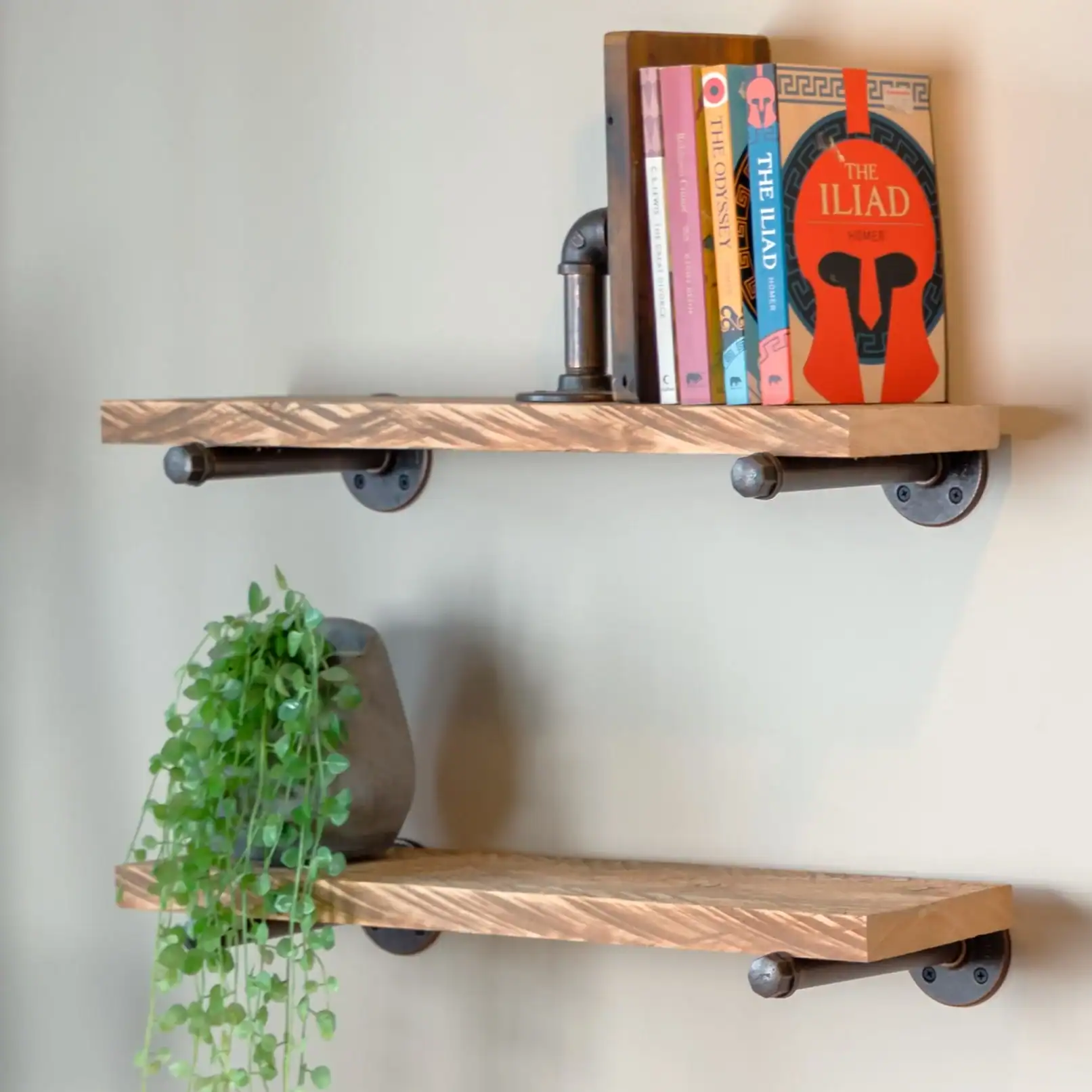
Fixed prong brackets, like Visual Hardware’s Fixed Prong Floating Shelf Bracket, are another solid choice. They have a metal prong that slides into the shelf and a base plate screwed into the wall. Great for heavier loads in commercial spaces or busy homes in Auckland’s CBD.
Features:
- Strong Support: Can hold up to 80kg, depending on the wall.
- Easy to Install: Just drill precisely and you’re good to go.
- Size Options: Comes in 150mm, 200mm, and 250mm lengths.
Tip: Use fixed prong brackets for deeper shelves (over 200mm) in kitchens or offices.
Adjustable Floating Shelf Brackets
Adjustable brackets are less common but handy if you like to change things up. Bunnings NZ offers systems that let you tweak the height or angle. Perfect for creative spaces in Karangahape Road or retail displays.
Features:
- Flexible: Reposition without reinstalling.
- Moderate Weight: Supports up to 50kg.
- Modern Look: Pairs well with sleek shelves.
Tip: Great for renters who want a temporary, low-impact solution.
Picking Brackets for Your Wall Type
Auckland’s homes vary widely, from weatherboard villas to concrete apartments. Here’s how to choose brackets for different walls:
| Wall Type | Best Bracket | Installation Notes | Recommended Products |
|---|---|---|---|
| Timber Stud (Gib Board) | Concealed or Fixed Prong | Find studs for max strength; use anchors for lighter loads. | FIT NZ Triade |
| Concrete/Masonry | Fixed Prong | Use masonry anchors for a secure hold. | Visual Hardware Fixed Prong |
| Plaster (Heritage Homes) | Concealed with Anchors | Drill carefully to avoid cracks; get help if needed. | FIT NZ Triade |
Tip: For concrete walls in newer apartments, grab a quality masonry drill bit for precise holes.
Other Hardware You’ll Need
Brackets aren’t the only thing—here’s what else you’ll need for a smooth installation:
- Wall Anchors: Crucial for drywall or masonry when studs aren’t an option. Bunnings NZ has a great selection.
- Screws and Fixings: High-quality screws come with FIT NZ’s Triade system.
- Level and Stud Finder: A laser level and stud finder from Mitre 10 are must-haves.

Fancy Hardware: LED and Corner Shelf Supports
For something extra, try these specialty options:
- LED Shelf Supports: Nova Interior’s LED Floating Shelf adds ambient lighting—perfect for showcasing art in Ponsonby.
- Corner Shelf Brackets: Mitre 10’s MURAL Corner Shelf comes with brackets for easy corner installations.
Tip: LED-lit shelves are a great way to highlight your favorite pieces.
Balancing Style and Function
When choosing brackets, think about both looks and practicality:
- Style: Concealed brackets for minimalism, fixed prong for industrial vibes.
- Function: Make sure the bracket can handle your shelf’s weight. FIT NZ’s Triade is great for heavy-duty use.
- Wall Type: Double-check your wall before buying brackets.
Tip: Match the bracket finish (like stainless steel or black) to your shelf or room decor.
Where to Buy Brackets in Auckland
You can find top-quality brackets at these local spots:
- FIT NZ: Great for concealed brackets like Triade.
- Visual Hardware: Offers fixed prong brackets in various sizes.
- Bunnings NZ and Mitre 10: Stock a range of brackets and hardware.
Tip: Check out Little Giant Interiors’ guide to kitchen storage solutions for more inspo.
With the right brackets, your floating shelf will be both secure and stylish. Whether you go for concealed or fixed prong, you’re set for success.
How Much Can Your Floating Shelf Hold? A Guide for Auckland Homeowners
Floating shelves are a stylish addition to any Auckland home, but let’s be real—no one wants their shelf to come crashing down under the weight of their book collection. Understanding how much weight your floating shelf can hold is crucial for safety and functionality. Whether you’re in a compact CBD apartment or a spacious Remuera villa, this guide will help you figure out the weight limits for your shelf. We’ll cover the factors that affect capacity, like materials and brackets, and highlight products from local suppliers like FIT NZ and Nova Interior. Let’s make sure your shelf is both beautiful and sturdy.
What Affects Your Shelf’s Weight Capacity?
The weight your floating shelf can handle depends on a few key things: the material, the brackets, your wall type, and how well you install it. Designer Dorothy Li says, “Picking the right combo of shelf and hardware is everything.” Let’s break it down so you can make the best choice for your Auckland home.
Key Tip: Always check the weight ratings for both the shelf and brackets before you start—better safe than sorry!
1. Shelf Material
Different materials can hold different weights. Here’s a quick rundown:
- Timber: Solid timber shelves from Cliff Hanger can hold up to 100kg per meter with the right brackets. Great for heavy items like books or electronics in your Mount Eden home office.
- MDF: MDF shelves are strong and budget-friendly, also supporting up to 100kg. You’ll find them at Mitre 10, perfect for kitchens or laundries in Avondale.
- Glass: Glass shelves, like floating corner shelves for bathrooms, can hold up to 30kg. Best for lightweight decor in Parnell apartments.
- Metal: Metal shelves can handle up to 80kg, ideal for industrial-style spaces in the Viaduct Harbour.
- Acrylic: Acrylic shelves support up to 50kg and are a durable alternative to glass.
Tip: For heavy stuff, stick with timber or MDF.
2. Bracket Type
Brackets are just as important as the shelf itself. Here’s what you need to know:
- Concealed Brackets: FIT NZ’s Triade can hold up to 100kg per meter when fixed into studs.
- Fixed Prong Brackets: Visual Hardware’s brackets support up to 80kg, great for heavier loads.
- Adjustable Brackets: Available at Bunnings NZ, these hold up to 50kg and are best for lighter items.
Tip: Concealed brackets are your best bet for heavy-duty shelves in kitchens or living rooms.
3. Wall Type
Auckland’s homes have different walls, and that affects how much weight your shelf can hold:
- Timber Stud (Gib Board): Fixing into studs gives you up to 100kg capacity. Use a stud finder from Mitre 10 for accuracy.
- Concrete/Masonry: With the right anchors, concrete walls can support 80–100kg.
- Plaster (Heritage Homes): Plaster walls are weaker, typically holding 20–50kg with anchors. Get help for homes in Grey Lynn or Devonport.
Tip: For concrete walls in newer apartments, use masonry anchors for a secure hold.
4. Installation Quality
Even the best shelf won’t hold up if it’s installed poorly. Make sure to secure brackets into studs or use the right anchors, keep the shelf level, and distribute weight evenly. A bad installation can cut your weight capacity in half and risk wall damage.
Tip: Grab a laser level from Bunnings NZ to make sure everything’s straight.
Weight Capacity by Shelf Type
Here’s a handy table to help you plan your shelf project:
| Shelf Material | Bracket Type | Max Weight | Best For | Recommended Products |
|---|---|---|---|---|
| Timber | Concealed | 100kg/m | Books, electronics | FIT NZ Triade |
| MDF | Concealed or Fixed Prong | 100kg/m | Cookware, storage | Mitre 10 MDF Shelves |
| Glass | Concealed | 30kg | Decor, bathroom items | Mitre 10 Glass Shelves |
| Metal | Fixed Prong | 80kg | Office storage, displays | Visual Hardware Fixed Prong |
| Acrylic | Concealed | 50kg | Modern displays | Nova Interior LED Shelf |
Tip: Spread the weight evenly and use extra brackets for longer shelves.

Where to Use Floating Shelves in Auckland Homes
Floating shelves are versatile—here’s how to use them around your home:
- Kitchen: Timber or MDF shelves with FIT NZ Triade brackets can hold heavy cookware (up to 100kg).
- Bathroom: Glass floating corner shelves are perfect for toiletries (up to 30kg).
- Living Room: Nova Interior’s LED Floating Shelf can showcase art or collectibles (up to 50kg).
- Home Office: Metal or timber shelves with fixed prong brackets can handle books and equipment (up to 80kg).
Tip: For multiple shelves, make sure each one’s weight capacity matches its use.
How to Get the Most Out of Your Shelf
To maximize your shelf’s strength, follow these tips:
- Use Quality Brackets: Go for FIT NZ’s Triade or Visual Hardware’s Fixed Prong for heavy loads.
- Secure to Studs: Anchor into timber studs for the best support.
- Distribute Weight: Place heavier items near the brackets.
- Add Extra Brackets: For shelves over 1m, use more brackets to share the load.
Tip: For extra stability, consider a backboard or additional anchors for long shelves.
Busting Weight Capacity Myths
Let’s clear up some common misconceptions:
- Myth: All floating shelves can hold heavy items. Reality: It depends on the material and brackets. Glass shelves aren’t for heavy loads.
- Myth: Wall anchors are as good as studs. Reality: Anchors are less secure and hold less weight.
- Myth: Thicker shelves always hold more. Reality: Thickness helps, but brackets and installation matter more.
Tip: Always check product specs, like those at Mitre 10, to confirm weight limits.
Where to Buy Shelves and Brackets in Auckland
You can find everything you need at these local suppliers:
- FIT NZ: For high-capacity concealed brackets.
- Nova Interior: Stylish LED-lit shelves.
- Bunnings NZ and Mitre 10: Great for DIY projects.
Tip: Visit Little Giant Interiors’ guide to kitchen storage solutions for more tips.
Knowing your floating shelf’s weight capacity is key to a safe and stylish setup. With the right materials and brackets, you’ll be good to go.
DIY Floating Shelves: Build Your Own in Auckland
Want to add a personal touch to your Auckland home? Building your own floating shelf NZ is a fun and rewarding project. Whether it’s a floating corner shelf for your Takapuna apartment or a sleek timber shelf for your Remuera villa, DIY shelves let you customize everything. Plus, you’ll save some cash! Let’s walk through sourcing parts from local spots like Mitre 10 and Bunnings NZ, picking the right materials, and crafting a shelf that’s perfect for your space. Inspired by local trends and tips from pros like Dorothy Li, this guide is your go-to for a successful DIY project.
Why DIY Your Floating Shelf?
Building your own shelf means you can tailor it to your exact needs—whether that’s a minimalist kitchen in Mount Eden or a cozy reading nook in Devonport. “DIY floating shelves add personality and save money,” says Dorothy Li. By grabbing materials from Auckland retailers, you’ll get a high-quality shelf without the hefty price tag.
Key Tip: Plan your shelf’s size and weight capacity before you shop to make sure it fits your space and needs.
Where to Find Materials in Auckland
You can find everything you need at Mitre 10 and Bunnings NZ. Here’s what to look for.
Shelf Material
The material sets the tone for your shelf’s look and strength. Here are your options:
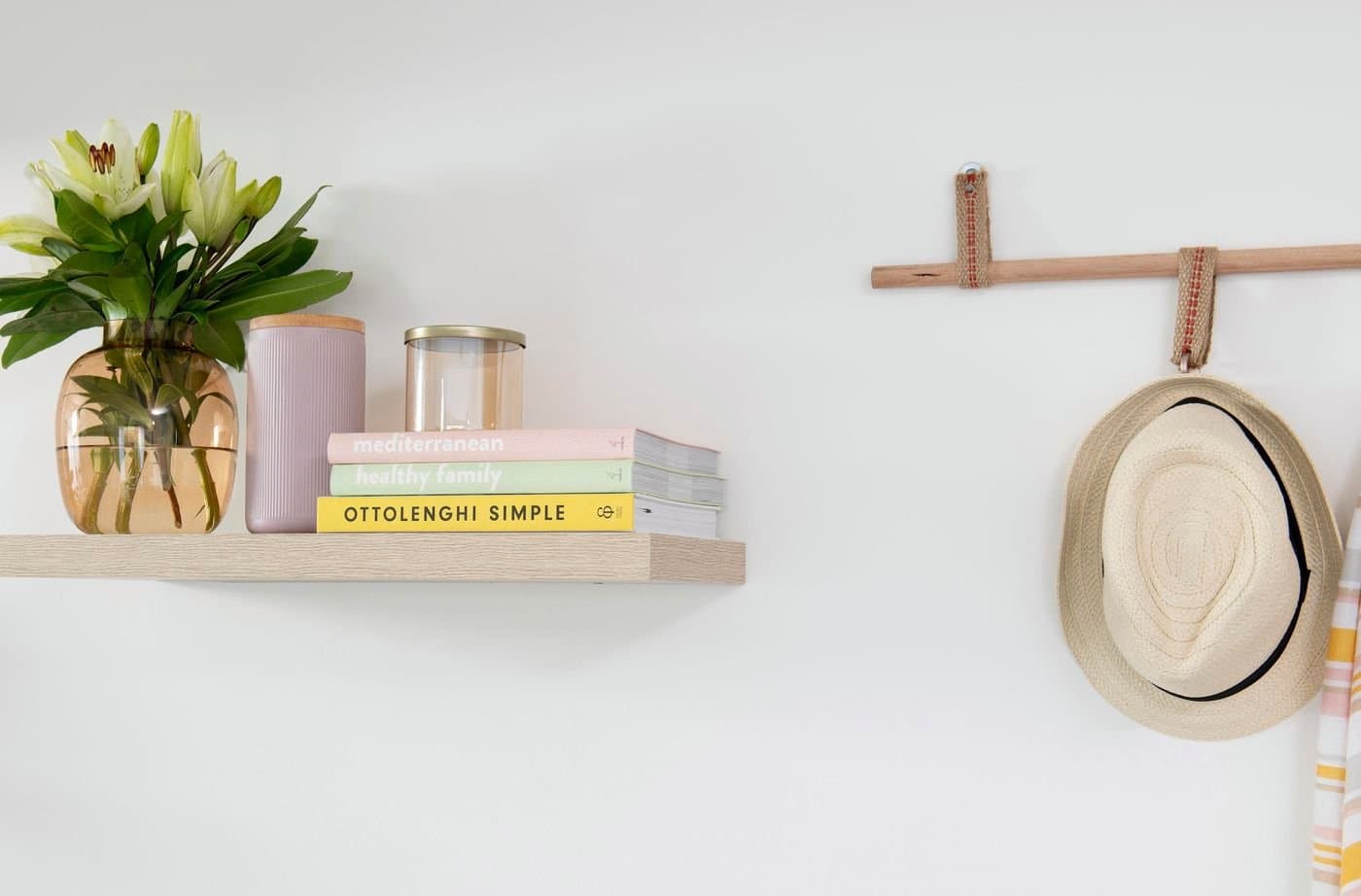
- Timber: Pine or oak from Bunnings NZ is durable and natural. Cut to size (200mm–2400mm long, 100mm–600mm deep). Holds up to 100kg with the right brackets.
- MDF: Budget-friendly and strong, MDF from Mitre 10 holds up to 100kg and is easy to paint.
- Plywood: Lightweight and modern, plywood from Cliff Hanger comes pre-finished.
- Glass: For a sleek look, tempered glass is great for lighter items (up to 30kg), perfect for bathrooms.
Tip: For a coastal vibe, go with light-stained timber or white-painted MDF.
Brackets and Hardware
The right brackets keep your shelf secure and looking good. Here’s what to get:
- Concealed Brackets: FIT NZ’s Triade holds up to 100kg when fixed into studs.
- Fixed Prong Brackets: Visual Hardware’s brackets hold up to 80kg, great for deeper shelves.
- Wall Anchors and Screws: Get the right ones for your wall type from Bunnings NZ.
Tip: For heavy shelves, use FIT NZ Triade brackets and secure them into studs.
Tools You’ll Need
Grab these from Mitre 10 or Bunnings NZ:
- Stud Finder: To find studs for secure mounting.
- Laser Level: For a perfectly straight shelf.
- Drill and Bits: Include masonry bits for concrete walls.
- Saw: For cutting timber or MDF.
- Sandpaper and Paint/Sealer: To finish your shelf.
Tip: Rent tools from Mitre 10 if you don’t own them to save money.
How to Build Your Floating Shelf
Here’s a step-by-step guide, inspired by Superior Renovations, tailored for Auckland DIYers.
Step 1: Plan Your Design
Decide on the size and purpose of your shelf. A 1200mm x 250mm timber shelf is great for living rooms, while a floating corner shelf works in bathrooms. Sketch it out and make sure it matches your brackets.
Tip: For shelves over 1m, use at least three brackets.
Step 2: Get Your Materials
Head to Mitre 10 or Bunnings NZ for your shelf material and brackets. For a fancy touch, check out Nova Interior’s LED Floating Shelf for inspo.
Tip: Ask the store to cut your timber or MDF to size for precision.
Step 3: Cut and Prep the Shelf
Measure, mark, and cut your material with a saw. Sand the edges and apply paint or stain to match your home’s style.
Tip: High-gloss paint for modern looks, natural stain for rustic vibes.
Step 4: Drill Bracket Slots (For Concealed Brackets)
If using concealed brackets like FIT NZ’s Triade, drill slots into the back of the shelf. Measure carefully so they align with the brackets.
Tip: Use a drill bit slightly larger than the bracket rod for a snug fit.
Step 5: Test and Finish
Test the shelf on the brackets (not yet mounted) to ensure it fits. Make adjustments, then apply a final coat of finish to protect against Auckland’s humidity.
Tip: Use a waterproof sealer for bathroom or kitchen shelves.
Installation Reality Check Section (Replace/expand installation steps) – A gist
Installation in Auckland Homes – What Actually Happens
Step-by-step (real Auckland conditions):
- Locate studs — Use electronic stud finder; in older villas (Grey Lynn, Mount Eden) plaster walls often have irregular stud spacing — double-check with small pilot hole.
- Drill & fix — Concrete block walls (Britomart apartments) need 8 mm masonry anchors + chemical resin; Gib board needs toggle anchors for >50 kg loads.
- Level & secure — Laser level mandatory for runs >1 m; torque set screws to 4–5 Nm (per FIT NZ instructions).
- Test load — Add 20% above expected weight (e.g., 60 kg test for 50 kg books) — wait 24 hours, re-check level.
Cost Breakdown for Your DIY Shelf
Building your own shelf is cheaper than buying pre-made. Here’s an estimate for a 1200mm x 250mm timber shelf:
| Item | Cost (NZD) | Supplier |
|---|---|---|
| Timber or MDF Board | $20–$50 | Bunnings NZ |
| Concealed Brackets (2–3) | $30–$60 | FIT NZ |
| Wall Anchors/Screws | $5–$15 | Mitre 10 |
| Paint/Sealer | $10–$20 | Bunnings NZ |
| Total | $65–$145 |
Tip: Look for sales at Mitre 10 or Bunnings, especially in spring.
Make It Your Own
Add some flair with these ideas:
- Curved Edges: Use a jigsaw for a soft, organic look.
- LED Lighting: Add LED strips for a modern glow, inspired by Nova Interior.
- Paint or Stain: Match your home’s decor—white for minimalism, oak for heritage homes.
Tip: A floating corner shelf is great for small spaces.
Where to Shop in Auckland
Here are the best spots for DIY materials:
- Mitre 10: Timber, MDF, and hardware with cutting services.
- Bunnings NZ: Affordable materials and tools.
- FIT NZ: High-quality concealed brackets.
- Nova Interior: Inspiration for modern designs.
Tip: Check out Little Giant Interiors’ guide to kitchen storage solutions for more ideas.
Common DIY Challenges and Fixes
Building a shelf is straightforward, but watch out for these issues:
- Challenge: Cutting materials precisely. Fix: Use a straightedge guide or have the store cut for you.
- Challenge: Drilling accurate slots. Fix: Use a drill guide or template from your brackets.
- Challenge: Matching your home’s style. Fix: Test finishes on a small piece first.
Tip: Start with a small shelf (like 600mm) to build confidence.
With quality materials and a bit of planning, your DIY floating shelf will be a standout feature in your Auckland home.
How to Install a Floating Shelf Like a Pro
Installing a floating shelf NZ is a satisfying DIY project that can instantly upgrade your space. Whether it’s a floating corner shelf in your Takapuna bathroom or a sleek timber shelf in your Ponsonby living room, getting it right is key. This guide will walk you through the process step by step, tailored for Auckland’s diverse homes. With tips from local pros and products from FIT NZ and Nova Interior, you’ll have your shelf up in no time.
Why Do It Yourself?
Installing your own floating shelf saves money and lets you customize the placement and style. “A well-installed floating shelf can transform any room,” says designer Dorothy Li. With the right tools and prep, even beginners can nail it, whether you’re in a modern apartment or a heritage villa.
Key Tip: Know your wall type (Gib board, concrete, or plaster) before you start to pick the right brackets and anchors.
Tools and Materials You’ll Need
Grab these from Mitre 10 or Bunnings NZ:
- Floating Shelf: Timber, MDF, or glass, cut to size (e.g., 1200mm x 250mm). Try Cliff Hanger or Mitre 10.
- Brackets: Concealed like FIT NZ’s Triade or fixed prong from Visual Hardware.
- Wall Anchors and Screws: Match your wall type.
- Stud Finder: To find studs for secure mounting.
- Laser Level: For a perfectly straight shelf.
- Drill and Bits: Include masonry bits for concrete.
- Tape Measure and Pencil: For marking.
- Screwdriver or Drill Driver: To secure screws.
- Safety Gear: Glasses and gloves.
Tip: Rent a stud finder or laser level from Mitre 10 to save cash.
Step-by-Step Installation Guide
Here’s how to hang your floating shelf like a pro.
Step 1: Plan Your Spot
Decide where your shelf will go, considering its purpose and the room’s layout. Measure the space and check for wiring or plumbing. For living rooms, aim for 1.2–1.5m above the floor.
Tip: Mark the height with a pencil for easy reference.
Step 2: Find Studs or Prep the Wall
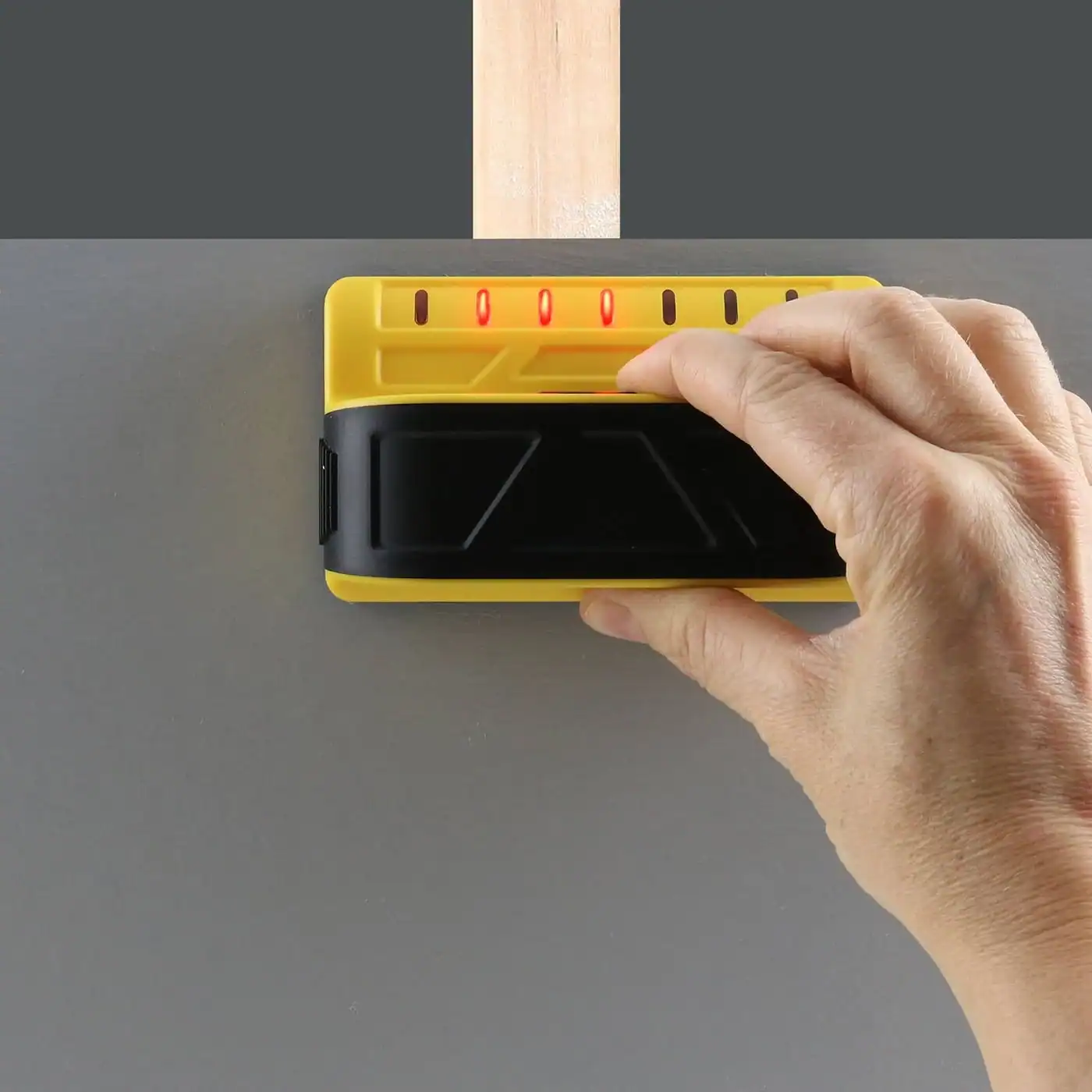
Use a stud finder to locate studs in Gib board walls—they’re the strongest anchor points. For concrete or plaster, get the right anchors. In heritage homes, be gentle with plaster walls.
Tip: For concrete walls, use a masonry drill bit and anchors.
Step 3: Mark Bracket Positions
Use a laser level to draw a horizontal line where the shelf will sit. Mark bracket spots along the line, spacing them 400–600mm apart for a 1200mm shelf. Align with studs or use anchors.
Tip: For longer shelves, use at least three brackets.
Step 4: Install the Brackets
For concealed brackets like FIT NZ’s Triade:
- Drill pilot holes at your marks.
- Insert anchors if needed, then screw in the bracket base.
- Check that the bracket rods are level.
For fixed prong brackets, secure the base plate to the wall, keeping the prong level.
Tip: Double-check the level before tightening screws.
Step 5: Attach the Shelf
Slide the shelf onto the brackets, ensuring a tight fit. For concealed brackets, the shelf should have pre-drilled slots. Tap gently with a mallet if needed, and check that it’s level.
Tip: Add a bit of construction adhesive to the rods for extra stability.
Step 6: Secure and Finish
Some brackets, like FIT NZ’s Triade, have set screws to lock the shelf in place. Tighten them carefully, then clean the shelf and touch up any paint.
Tip: Test the shelf’s stability before loading it up.
Installing a Floating Corner Shelf
For a floating corner shelf, use corner-specific brackets like Mitre 10’s MURAL Corner Shelf. Measure the corner, mark positions on both walls, and install as above.
Tip: Corner shelves are perfect for small spaces like bathrooms or reading nooks.
Wall-Specific Tips
Here’s how to handle different wall types in Auckland homes:
| Wall Type | Best Brackets | Tips | Recommended Products |
|---|---|---|---|
| Timber Stud (Gib Board) | Concealed or Fixed Prong | Secure into studs for up to 100kg. Use anchors for lighter loads. | FIT NZ Triade |
| Concrete/Masonry | Fixed Prong | Use masonry anchors. Supports 80–100kg. | Visual Hardware Fixed Prong |
| Plaster (Heritage Homes) | Concealed with Anchors | Drill slowly to avoid cracks. Supports 20–50kg. | FIT NZ Triade |
Tip: For plaster walls, use a low-speed drill.
Pro Tips for a Perfect Finish
To make your shelf look professionally installed, try these tricks:
- Check the Level Often: Use a laser level at every step.
- Hide Gaps: Use caulk or wood filler, then touch up with paint.
- Distribute Weight: Place heavy items near the brackets.
- Test Gradually: Add items slowly to check stability.
Tip: Add LED lighting for a modern touch, inspired by Nova Interior’s LED Floating Shelf.
Avoid These Common Mistakes
Watch out for these pitfalls:
- Misaligned Brackets: Use a laser level and measure twice.
- Weak Wall Support: Secure into studs or use strong anchors.
- Shelf Doesn’t Fit: Ensure slots are drilled correctly for concealed brackets.
Tip: Practice drilling on scrap wood first.
Where to Get Materials in Auckland
Find everything you need at these local suppliers:
- Mitre 10: Shelves, brackets, and tools.
- Bunnings NZ: Affordable hardware.
- FIT NZ: Quality concealed brackets.
- Visual Hardware: Fixed prong brackets for heavy-duty use.
Tip: Visit Little Giant Interiors’ guide to kitchen storage solutions for more ideas.
With this guide, you’ll be able to install a floating shelf that’s both stylish and secure. Happy DIYing!
Common Mistakes to Avoid When Installing Floating Shelves
Floating shelves can be a game-changer for your Auckland home, but even experienced DIYers can slip up. A poorly installed shelf can sag, damage your walls, or worse—collapse. “Attention to detail is what makes or breaks a floating shelf project,” says designer Dorothy Li. Let’s look at the most common mistakes and how to avoid them, so your floating shelf NZ stays safe and stylish.
Why Getting It Right Matters
A bad installation can lead to safety hazards and ruin your home’s look. By avoiding these pitfalls, you’ll get a professional finish, whether you’re in a Ponsonby villa or a Takapuna apartment.
Key Tip: Plan carefully and double-check measurements and weight capacities.
Top Mistakes and How to Fix Them
Here are the most common errors and solutions for Auckland homeowners.
1. Wrong Brackets for Your Wall
Mistake: Using the wrong brackets or anchors for your wall type can lead to weak support. Auckland’s homes have different walls, so this is crucial.
Fix: Know your wall type. For Gib board, use FIT NZ’s Triade into studs. For concrete, go with Visual Hardware’s Fixed Prong with masonry anchors. For plaster, use lightweight brackets and anchors.
Tip: Use a stud finder from Mitre 10 for Gib board walls.
2. Overloading the Shelf
Mistake: Putting too much weight on the shelf can cause it to sag or fall. Glass shelves, for example, can’t handle heavy loads.
Fix: Check weight capacities. Use timber or MDF with FIT NZ Triade for heavy items. Distribute weight evenly.
Tip: Test with a small load first, especially in kitchens.
3. Incorrect Bracket Spacing
Mistake: Spacing brackets too far apart can make the shelf sag, especially for longer shelves.
Fix: Follow guidelines—400–600mm apart for timber or MDF. Use three brackets for shelves over 1m.
Tip: For floating corner shelves, place brackets on both walls.
4. Not Using a Level
Mistake: Skipping the level can lead to a slanted shelf, which looks bad and is unstable.
Fix: Use a laser level from Bunnings NZ at every step.
Tip: Check the level after installing the shelf too.
5. Poor Wall Prep
Mistake: Ignoring wall conditions like uneven surfaces or hidden wiring can cause problems.
Fix: Inspect the wall first. Use a stud finder to avoid wiring. For plaster walls, drill slowly.
Tip: Patch small imperfections before installing.
6. Incorrect Slot Drilling
Mistake: Drilling slots wrong for concealed brackets can make the shelf unstable.
Fix: Measure precisely and use a drill guide. Test-fit the shelf first.
Tip: Practice on scrap wood.
7. Clashing with Your Home’s Style
Mistake: Choosing a shelf that doesn’t match your home’s aesthetic can look out of place.
Fix: Pick materials and finishes that complement your decor. Test samples first.
Tip: Check out Little Giant Interiors’ guide to kitchen storage solutions for inspiration.
Mistakes by Wall Type
Here’s a quick reference for common mistakes and fixes by wall type:
| Wall Type | Common Mistake | Fix | Recommended Products |
|---|---|---|---|
| Timber Stud (Gib Board) | Missing studs | Use a stud finder; secure with long screws. | FIT NZ Triade |
| Concrete/Masonry | Wrong anchors or drill bits | Use masonry anchors and the right drill bit. | Visual Hardware Fixed Prong |
| Plaster (Heritage Homes) | Drilling too hard, causing cracks | Drill slowly; use lightweight anchors. | FIT NZ Triade |
Tip: For heritage homes, test a small drill hole first.
Extra Tips for Success
To nail your installation, remember these tips:
- Measure Twice: Double-check before drilling.
- Test Gradually: Add weight slowly to check stability.
- Use Quality Hardware: Go for FIT NZ’s Triade or Visual Hardware’s Fixed Prong.
- Plan for Humidity: Use waterproof finishes for bathrooms or kitchens.
Tip: Add LED lighting for a premium look, inspired by Nova Interior’s LED Floating Shelf.
Where to Buy in Auckland
Find reliable materials at these local spots:
- Mitre 10: Shelves, brackets, and tools.
- Bunnings NZ: Affordable hardware.
- FIT NZ: Concealed brackets.
- Visual Hardware: Fixed prong brackets.
Tip: Visit Little Giant Interiors’ guide to kitchen storage solutions for more shelving tips.
By dodging these common mistakes, you’ll have a floating shelf that’s both safe and stylish. Happy installing!
Conclusion
Floating shelves are a fantastic way to add style and storage to your Auckland home, whether you’re in a cozy Grey Lynn villa or a sleek CBD apartment. By understanding the types of floating shelf brackets, their weight capacities, and the best installation techniques for your wall type, you can create a secure and visually appealing setup. Crafting your own shelf offers customization, while avoiding common mistakes ensures durability and safety. With high-quality materials from local suppliers like FIT NZ, Visual Hardware, and Bunnings NZ, plus inspiration from Little Giant Interiors, your floating shelf project can transform any space. Whether you’re installing a floating corner shelf or a long timber display, this guide equips you with the knowledge to succeed. Start your DIY journey today and elevate your Auckland home with floating shelves!
It depends on your wall type. For Gib board, use concealed brackets like FIT NZ’s Triade (up to 100kg). For concrete, go with fixed prong brackets from Visual Hardware (up to 80kg). For plaster walls, lightweight concealed brackets with anchors are best. Timber or MDF shelves with concealed brackets can hold up to 100kg per meter. Glass shelves hold up to 30kg, while metal or acrylic hold 50–80kg. Check manufacturer specs and distribute weight evenly. Yes, but be careful. Use lightweight brackets like FIT NZ’s Triade with plaster-specific anchors (20–50kg). Drill slowly to avoid cracks. Use corner-specific brackets like Mitre 10’s MURAL Corner Shelf. Measure the corner, mark positions on both walls, and secure with anchors. Great for small spaces like bathrooms. Try Mitre 10, Bunnings NZ, FIT NZ, or Nova Interior for shelves, brackets, and tools. Use enough brackets (e.g., three for shelves over 1m), secure into studs or use strong anchors, and don’t overload. Place heavy items near the brackets. Yes! Use adjustable or lightweight brackets with drywall anchors for minimal wall damage. Check with your landlord first. What’s the best floating shelf bracket for Auckland homes?
How much weight can a floating shelf hold?
Can I install a floating shelf on plaster walls?
How do I install a floating corner shelf?
Where can I buy floating shelf materials in Auckland?
How do I stop my floating shelf from sagging?
Are floating shelves good for renters?