

Soft-Close Kitchen Drawers: Why We Specify BLUM in Every Auckland Kitchen
Quick answer: Soft-close kitchen drawers use a hydraulic damper inside the runner that catches the drawer in the last 50mm of travel and pulls it shut quietly. We specify BLUM as standard because the dampening is integrated into the runner — not bolted on — and BLUM’s mechanical hardware carries a lifetime domestic warranty in NZ.
Open any cheap drawer in a 1990s Auckland rental kitchen and you’ll know in two seconds what you’re dealing with. It rattles. It catches halfway. The front slams when you push it. And after about three years of family use, the runner gives up entirely — usually at the worst possible moment, with a full cutlery drawer hanging at a 30-degree angle.
We replace those kitchens every week. And here’s the thing most homeowners don’t realise until they’re sitting in our showroom: the hardware spec is the single most under-discussed item in a kitchen quote. “Drawer runners” is usually a one-liner. But that one line decides whether your kitchen still feels like a $40,000 kitchen at year five — or whether you’re already booking a callback for sagging drawers.
This is the perspective from our side of the bench. We design and manufacture custom kitchens out of our 700m² Auckland factory, and we use BLUM hardware as our default specification across more than 90% of jobs that leave the workshop. Not because BLUM pays us to. Because we’ve stripped out enough failed knockoff hardware to know what the failure curve actually looks like.
Here’s what we’ve learned specifying soft-close kitchen drawers across hundreds of Auckland projects — and where it’s worth upgrading further.

What Soft-Close Actually Does — And Why The Brand Matters
Soft-close isn’t magic. It’s a hydraulic damper — a small fluid-filled piston tucked inside the drawer runner. When you push the drawer, the damper engages in the final 50mm of travel, absorbs the momentum, and pulls the drawer shut at a controlled speed. You can shove it as hard as you like and it still closes quietly.
That’s the principle. The execution is where brands separate.
Integrated Vs Bolt-On Mechanisms
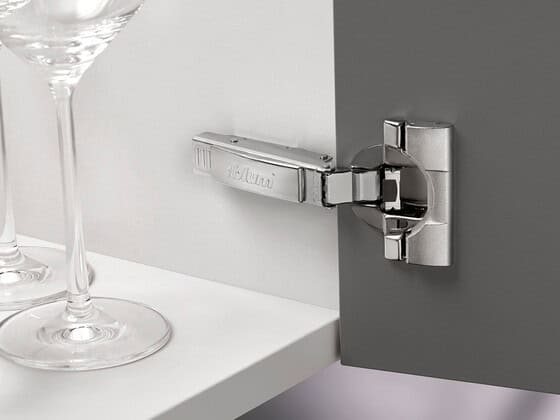
The first division in the market is whether the soft-close mechanism is built into the runner or added onto it. BLUM’s BLUMOTION technology is integrated — the damper sits inside the runner housing, sealed, factory-calibrated. Cheaper alternatives bolt a separate damper onto the runner as an aftermarket-style attachment.
The integrated approach matters for two reasons. First, the dampening curve is consistent — a BLUM drawer closes the same way on day one as it does on day 3,000. Second, there’s nothing to come loose. Bolt-on dampers shift over time, and once the geometry shifts, the soft-close stops engaging properly. You get the slam back.

Load Rating Is Doing Real Work
The other reason brand matters: the runner is carrying weight. A pots-and-pans drawer in a typical kitchen holds 15–25kg of cast iron, ceramic, and stainless. Cheap runners are rated to 25–30kg when new. BLUM’s TANDEMBOX runs at 30kg or 65kg depending on the spec, and LEGRABOX goes up to 70kg. That extra capacity isn’t just for hoarders — it’s a margin against fatigue. A runner used at 80% of its rating will outlast a runner used at 100% by years.
Auckland’s humidity adds another factor. Coastal homes in suburbs like Devonport, Mission Bay, and Beach Haven sit in salt-laden air for decades. Untreated steel runners pit and seize. BLUM uses zinc-plated steel and corrosion-tested components specifically because European manufacturers have been engineering for damp climates longer than we’ve had European-style cabinetry in NZ.
💡 Design tip: If you’re getting kitchen quotes in Auckland and the spec sheet just says “soft-close drawer runners,” ask which brand and which model. The difference between a generic 30kg under-mount runner and a BLUM TANDEMBOX antaro is roughly $40–$80 per drawer at trade — and a decade of reliable closing.
This is why we treat hardware as part of the structural specification, not an afterthought. When we design a custom kitchen renovation in Auckland, the BLUM spec is locked in before we choose the door colour. Get the bones right and the rest is finishing.
What Fails In Cheap Soft-Close Drawer Hardware
If you want to understand why we spec BLUM, look at the failure modes of what we replace. Cheap soft-close hardware fails in predictable ways, on a predictable timeline. We’ve seen the same pattern enough times to map it out.
Year 2–3: The Damper Quits
The first thing to go is the soft-close itself. The hydraulic damper loses pressure, leaks slowly, or the bolt-on attachment loosens. The drawer still closes — but it slams at the last 20mm. Most homeowners don’t notice for a while because the failure is gradual. By the time someone says “wait, when did the drawer start slamming again?”, the damper’s done.
BLUM’s BLUMOTION damper, by comparison, is sealed and factory-tested to 100,000 open/close cycles minimum on its drawer systems. That’s roughly 27 years of opening a drawer ten times a day. We’ve pulled out 15-year-old BLUM runners during renovations and they still close like the day they were fitted.
Year 4–6: The Runner Sags
The second failure is structural. Cheap runners use cylindrical bearings that wear unevenly, especially when the drawer carries weight on one side (think pots stacked at the front, or a kid hanging off the drawer front). Once the bearings score the runner channel, the drawer drops at the front. You get visible misalignment with the cabinet face frame, and worse — the drawer starts hitting the cabinet next to it.
This is the failure that drives most kitchen replacements in homes around 8–12 years old. Not a layout problem. Not a tile problem. Sagged drawer runners.
Year 7+: The Cabinet Itself Suffers
The third failure is the one people don’t see coming. When runners loosen, every close transmits a small impact through the screws into the cabinet carcass. Over years, the screw holes wallow out, the cabinet sides flex, and the joinery starts loosening at the dado joints. By the time the drawer falls out, the cabinet often isn’t worth saving.
One client in Pakuranga came to us last year wanting a “drawer fix.” When we pulled the cabinets, the carcasses were so compromised by years of impact loading that we ended up replacing the whole base run. A $300 hardware decision in 2010 turned into an $8,000 problem in 2025.
“Hardware is the part of a kitchen that the client never compliments — and the part they ring you about when it fails. We’d rather spec BLUM and never get the call.”
— Little Giant Interiors Design Team
We carry the same hardware philosophy across every cabinetry job, including custom wardrobes Auckland — the BLUM runner under your jeans drawer is the same runner under your kitchen cutlery drawer. The mechanism doesn’t care about the room.
TANDEMBOX, LEGRABOX, METABOX: When We Spec Each BLUM System
BLUM isn’t one product — it’s a hardware platform with different tiers. Knowing which system to spec is half the value of working with a cabinetmaker who actually has a relationship with the brand. Here’s how we make the call.

METABOX — The Entry Tier
METABOX is BLUM’s steel side-runner system, and it’s the entry to the genuine BLUM range. Single-walled steel sides, 25kg load rating, partial extension as standard. Soft-close (BLUMOTION) is an optional add-on rather than baked in. We spec METABOX rarely — typically on a tight-budget rental refresh or a small laundry where the drawers won’t see heavy use. It’s still BLUM, so it’s still backed by the lifetime warranty, but it’s not what we’d put under a 65kg pots drawer.
TANDEMBOX (antaro/intivo/plus) — Our Default
This is what goes into the vast majority of kitchens that leave our Henderson factory. TANDEMBOX gives you double-walled metal sides, full extension, BLUMOTION soft-close as standard, and a choice of 30kg or 65kg runner depending on what’s going in the drawer. For 95% of Auckland kitchen drawers — cutlery, utensils, cookware, pantry pull-outs — TANDEMBOX is the right answer.
The three TANDEMBOX lines (antaro, intivo, plus) are mostly cosmetic differences in the drawer side profile. Antaro is the rectangular, design-led look. Intivo lets you swap in a glass or wood inner panel for a more decorative finish. Plus is the rounded older profile, less common now.
LEGRABOX — When Aesthetics Are The Brief
LEGRABOX is the slim-side premium tier. Drawer sides are just 12.8mm thick. Available in finishes like matte black (carbon black), stainless steel, and orion grey. Load capacity goes up to 70kg. We spec LEGRABOX when the client opens the drawer and wants the inside to look as considered as the outside — handleless contemporary kitchens, high-end Remuera and Herne Bay renovations, anywhere the drawer is part of the design language rather than just storage.
It’s also the system we reach for when a client wants TIP-ON or SERVO-DRIVE — the touch-to-open and electric-assist technologies that turn a handleless cabinet front into a drawer with a single press.
MERIVOBOX — The Newer Platform
MERIVOBOX is BLUM’s newer modular platform — an L-shaped runner architecture that gives high front stability and lets you pick from a TANDEMBOX-style or LEGRABOX-style aesthetic on the same base. We’re using MERIVOBOX increasingly on jobs where the client wants flexibility down the line, or on commercial fit-outs where the load profile is unpredictable.
💡 Design tip: The biggest spec error we see in third-party kitchen quotes is mismatched runner ratings — a 30kg runner under a deep 900mm pots drawer. Stack 18kg of cast iron in there and you’re already at 60% load on day one. We default to 65kg under any drawer wider than 600mm or deeper than 350mm.
If you’re confused about which line is right for your kitchen, that’s the conversation we have during the free in-home consultation. The system gets specified to the drawer’s job, not the price tier.
The Cost Difference — And Why We Use BLUM As The Standard
Let’s get to the part most homeowners actually want answered: what does BLUM cost compared to the alternatives?
The Per-Drawer Differential
At trade pricing — what a cabinetmaker pays, not retail — the rough cost ladder for soft-close drawer hardware in NZ runs like this. Numbers below are indicative of typical Auckland market pricing in 2026, including standard 500mm runners and a soft-close mechanism. Your specific quote will vary by drawer size, runner length, and load rating.
| Hardware Tier | Per Drawer (Trade) | Typical Lifespan |
|---|---|---|
| Generic budget soft-close runner (imported, no-name) | $25–$45 | 3–6 years |
| Mid-range branded runner (Häfele Matrix, Hettich Quadro budget line) | $60–$110 | 10–15 years |
| BLUM METABOX | $90–$140 | 15–20 years |
| BLUM TANDEMBOX antaro | $130–$210 | 20–25+ years (lifetime warranty) |
| BLUM LEGRABOX | $220–$380 | 25+ years (lifetime warranty) |
| Whole-kitchen differential (20-drawer kitchen, generic vs TANDEMBOX) | ~$2,100–$3,300 | — |
For a typical 20-drawer Auckland kitchen, the upgrade from generic budget hardware to BLUM TANDEMBOX antaro lands around $2,100–$3,300 across the whole job. On a $35,000–$60,000 custom kitchen, that’s between 4% and 9% of total cost. It’s the single highest-ROI line item on the spec sheet.
BLUM’s Lifetime Warranty In NZ
The other reason we default to BLUM is the warranty. BLUM warrants the function of the mechanisms in TANDEMBOX, LEGRABOX, TANDEM, MOVENTO and AVENTOS for the lifetime of the product in domestic use. SERVO-DRIVE (the electric touch-to-open) carries a five-year warranty. The conditions are straightforward — original purchaser, installed by a BLUM-trained specialist (which we are), used as intended.
No generic imported runner carries anything close. Most come with a one or two year warranty against manufacturing defects, and good luck enforcing it once the supplier rotates SKUs.
When We’d Push You To Upgrade From Standard
BLUM TANDEMBOX is our default. We’d push a client to upgrade to LEGRABOX in three scenarios: handleless kitchens where TIP-ON or SERVO-DRIVE is part of the design, premium aesthetic briefs where the drawer interior is on display (open shelving, glass panel inserts, walk-in pantries with internal drawers), or extra-heavy load applications where the 70kg LEGRABOX rating pays its way.
For everything else, TANDEMBOX is enough. There’s no design-trophy logic to running LEGRABOX through a budget kitchen — you’d be better served putting that money into a thicker benchtop or better appliances. We’ve covered the broader hardware brand context in our guide to the cabinetry brands we recommend, and you can sense-check overall budgets against our kitchen cabinetry cost calculator.
That’s the specifier’s view. Here’s how to take it the next step.

Get A Quote With BLUM Hardware Specified Up Front
Most kitchen quotes in Auckland will list “soft-close drawers” as a feature without telling you the brand or model. After reading this, you know enough to ask the right question: which BLUM system are you specifying — and at what load rating?
When you book a free in-home consultation with us, we’ll walk through your storage needs drawer by drawer, spec the right BLUM system to each one, and put it on the quote in writing. No vague hardware lines. No upgrade surprises three weeks into manufacturing. You see what’s going into your kitchen before we cut the first panel.
➡ Book your free in-home design consultation with Little Giant Interiors
➡ See our 6-step design and build process
➡ Learn more about our custom kitchen renovations in Auckland
Frequently Asked Questions About Soft-Close Kitchen Drawers
What does soft-close on a kitchen drawer actually do?
Soft-close uses a hydraulic damper inside the drawer runner that engages in the last 50mm of travel. The damper absorbs the closing momentum and pulls the drawer shut at a controlled speed regardless of how hard you push it. The result is a quiet, slam-free close that also reduces wear on the cabinet and drawer front over time. Better-quality systems like BLUM BLUMOTION integrate the damper into the runner itself rather than bolting it on as a separate piece.
Why does the brand of soft-close hardware matter?
Brand decides three things — the dampening curve consistency, the load rating, and the warranty. Cheap soft-close runners use bolt-on dampers that loosen and lose pressure within 2–3 years of family use. Better-quality systems like BLUM TANDEMBOX have the BLUMOTION damper integrated into the runner, sealed, and factory-tested to over 100,000 cycles — roughly 27 years at ten opens a day. The brand also dictates load rating and warranty terms, both of which separate hardware that lasts a decade from hardware that lasts the life of the kitchen.
How much more does BLUM soft-close hardware cost compared to generic?
On a per-drawer basis at trade pricing in NZ, generic budget soft-close runners run around $25–$45, while BLUM TANDEMBOX antaro runs $130–$210. For a typical 20-drawer Auckland kitchen the whole-job differential is roughly $2,100–$3,300. On a $35,000–$60,000 custom kitchen that's 4–9% of total cost — and it's the highest-ROI line item on the spec sheet given BLUM's lifetime mechanical warranty in NZ.
What's the difference between BLUM TANDEMBOX and LEGRABOX?
TANDEMBOX is BLUM's default mid-tier system — double-walled metal drawer sides, full extension, BLUMOTION soft-close as standard, 30kg or 65kg load rating. LEGRABOX is the slim-sided premium tier with 12.8mm thick drawer sides, up to 70kg load capacity, and finishes like matte black, stainless, and orion grey. We spec TANDEMBOX as standard and reach for LEGRABOX when the brief calls for handleless aesthetics, TIP-ON or SERVO-DRIVE, or when the drawer interior is on visible display.
What is BLUM's warranty in New Zealand?
BLUM warrants the function of mechanisms in TANDEMBOX, LEGRABOX, TANDEM, MOVENTO and AVENTOS for the lifetime of the product in domestic use. Electrical components like SERVO-DRIVE carry a 5-year warranty from despatch. Conditions include being the original purchaser, installation by BLUM-trained specialists, and use as intended. The warranty is honoured globally so the NZ market is covered under the same terms as the rest of the world.
What fails first in cheap soft-close drawer hardware?
Three predictable failures. Years 2–3, the hydraulic damper loses pressure or loosens — drawer still closes but starts slamming again at the last 20mm. Years 4–6, the runner bearings wear unevenly and the drawer sags at the front, causing visible misalignment with the cabinet face. Years 7+, repeated impact loading wallows out the screw holes in the cabinet carcass itself, and at that point the cabinet often isn't worth saving. A small initial saving on hardware can turn into a full base-cabinet replacement a decade later.
Are soft-close drawers worth it in a small kitchen renovation?
Yes — possibly more than in a large kitchen. Small kitchens typically have fewer drawers (8–12 instead of 20+), so the total hardware cost differential is smaller in absolute dollars while the daily-use intensity per drawer is higher. Apartment kitchens in central Auckland and Takapuna also benefit from the noise reduction, especially in open-plan layouts where every slammed drawer reaches the living area. We spec BLUM TANDEMBOX as standard on small kitchens for the same reasons we spec it on large ones.
Can you upgrade existing kitchen drawers to BLUM soft-close hardware?
Sometimes — it depends on the cabinet construction. If your cabinets have standard 32mm system holes and the carcass is square and sound, a runner swap to BLUM TANDEMBOX is feasible. If the carcasses have failed or the cabinet sides are out of square (common after years of cheap-runner impact loading), a runner upgrade alone won't solve the problem. We assess this during the in-home consultation — sometimes the right answer is a partial drawer-bank replacement rather than a full kitchen rebuild.
What's the difference between TIP-ON, BLUMOTION, and SERVO-DRIVE?
BLUMOTION is the soft-close dampening — it's mechanical and standard on TANDEMBOX and LEGRABOX. TIP-ON is a mechanical touch-to-open mechanism for handleless drawers — push the front and it pops open, no electronics. SERVO-DRIVE is the electric version, with a motor that opens the drawer at a touch and uses BLUMOTION on close. SERVO-DRIVE is the option we'd specify in premium handleless kitchens, particularly where heavy pull-out pantries or wide drawers make TIP-ON harder to operate cleanly.
Do you use BLUM hardware in custom wardrobes too?
Yes — the same BLUM TANDEMBOX and LEGRABOX systems run through every custom wardrobe we manufacture, alongside BLUM hinges on the wardrobe doors. The hardware doesn't care which room it's in. A jeans drawer or a cutlery drawer presents the same problem to the runner. Standardising on BLUM across kitchens, wardrobes, laundries and vanities also means a single warranty point of contact and consistent quality across every cabinet that leaves our Auckland factory.
Have you been putting off your kitchen renovation?
We offer flexible finance options to help you get your dream kitchen sooner. Learn more about our interest-free finance options.